Nigeria’s ruling class is steadily shrinking the democratic space through threats, intimidation and abuse of state power. From harassing critics to prosecuting citizens for expressing political opinions, the signs of creeping authoritarianism are increasingly difficult to ignore.
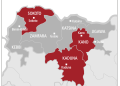
Kano and Borno states offer the latest disturbing evidence.
Amnesty International Nigeria has described growing intolerance in both states, where dissent, criticism and free speech—rights guaranteed by the Constitution—are increasingly treated as offences.
In Kano, citizens have reportedly been arrested, detained, threatened and prosecuted over comments and social media posts critical of Governor Abba Yusuf and his administration. Amnesty says the crackdown has created a “climate of fear” in Kano.
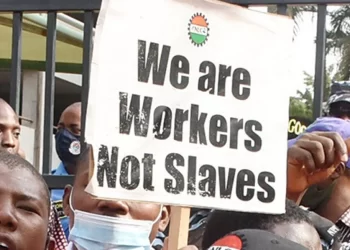
Borno’s record is equally troubling. Five citizens have reportedly been arrested and face prosecution for wearing T-shirts bearing the inscription, “Tinubu Must Go.” Whether anyone agrees with the slogan is beside the point. Calling for a president’s removal is a legitimate political position, not treason. The five citizens should be released immediately, with all charges dropped.
We endorse Amnesty’s position that disagreement is the lifeblood of democracy, while enforced conformity is the hallmark of tyranny. Elected officials hold power in trust for the people, not as a licence to intimidate them. Yet Nigeria’s political class increasingly reaches for the police, courts and other instruments of state coercion rather than answer its critics.
Journalists have faced the same authoritarian reflex. Daniel Ojukwu of the Foundation for Investigative Journalism, Madu Onuorah and Segun Olatunji are among reporters whose arrests, detention and intimidation by security agencies have provoked widespread outrage.
The growing weaponisation of the Cybercrimes Act, originally enacted to tackle cybercrime, has further exposed journalists, activists and ordinary citizens to punishment for critical commentary.
The press exists to scrutinise power, expose wrongdoing and ask uncomfortable questions.
When governments intimidate reporters, citizens lose access to information, public officials escape scrutiny and corruption flourishes. Nigeria must resist becoming a society in which silence seems safer than speaking out.
The threat extends beyond journalism. A council chairman in the Federal Capital Territory reportedly warned residents to vote for his party or leave the area, while a senator from Osun State was attributed with calling for the death of members of a rival party.
In Edo State, a party chairman reportedly called for “AK-47 fire” against those opposing his party’s electoral ambitions.
Such rhetoric, especially following an attack on Peter Obi during a visit to the state, is not political mobilisation but incitement that demands condemnation and investigation.
Political rallies have also reportedly been disrupted, while opposition posters and billboards have been vandalised.
These are tactics of actors who fear a level playing field, not those confident of winning public support.
Nigeria is treading a dangerous path as national elections approach.
The Economist Intelligence Unit’s Democracy Index has placed the country among those with serious democratic deficits, while the World Population Review’s presentation of the index gives Nigeria a score of 4.16, classifying it as a hybrid regime.
Elections may be held, but restrictions on expression, uneven application of the law and the use of state institutions against opponents undermine democratic credibility.
President Bola Tinubu has rightly urged the police to act fairly. He must go further by making clear to governors, legislators, council chairmen and party officials that public office does not confer the right to silence dissent.
The security agencies must refuse unlawful orders and uphold the Constitution rather than serve partisan interests.
Those who incite violence or unlawfully deploy public institutions against opponents must face appropriate consequences, regardless of office or party.
A political class committed to public service has nothing to fear from critical headlines, hostile social media posts or protest T-shirts. Its task is to persuade citizens, defend its record and accept scrutiny.
A democracy that cannot tolerate the words “Tinubu Must Go” is already in trouble. When citizens fear arrest for criticising a governor, wearing a protest shirt or supporting an opposition party, the issue is no longer merely political intolerance. It is the abuse of power.
The tyranny spreading through Kano and Borno must be confronted before it becomes the national norm. Democracy cannot survive when those entrusted with power treat the freedoms of the people as threats to their own survival.