Today is Eid al-Adha, more popularly known as Eid el -Kabir, literally means “feast of the sacrifice”, marking Prophet Abraham’s willingness to sacrifice his son and is the occasion that marks the culmination of Hajj in Islam.
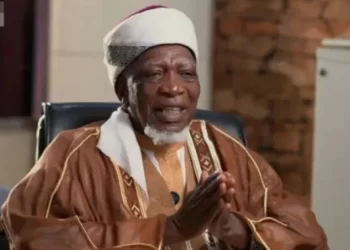
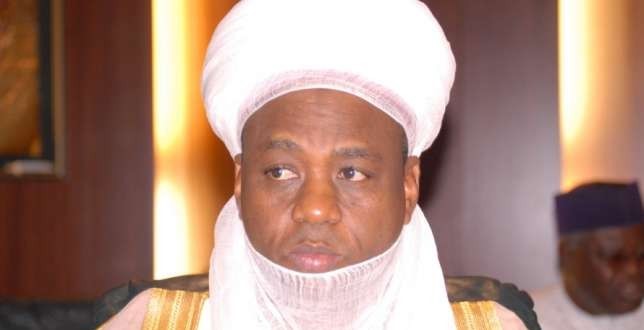
The federal government has declared today, Friday, and Monday as public holidays to mark the Sallah celebrations following the Sultan of Sokoto and Chairman Nigerian Supreme Council for Islamic Affairs (NSCIA), Alhaji Muhammad Sa’ad Abubakar’s declaration of September 1, 2017 as Eid el-Kabir day.
The Sultan of Sokoto has urged all Muslims to reflect and use the rare opportunities and virtues of the Eid to invoke the mercy of Allah and His blessings. Over one billion Muslims worldwide are celebrating the festival which started over three thousand five hundred years ago when Prophet Ibrahim (Abraham) had a dream where God asked him to sacrifice his son Ishmael.
Both father and son had submitted themselves and the sacrifice was about to take place when Allah ransomed the son “with a great sacrifice” (a ram) for overcoming this epic trial, which signifies a demonstration of total submission to Allah and a proof of complete obedience to Allah’s will or command. It is from that time onwards that the sacrifice of an animal became an obligatory duty to be performed by every well-to-do Muslim.
Eid el-Kabir is a four-day Islamic festival starting on the 10th day of the month of Dhul Hijja to commemorate the willingness of Ibrahim (Abraham) to sacrifice his son. The sacrifice of an animal has always been treated as a recognized form of worship in all religious orders originating from a divine book.
It is imperative to remember what Eid al-Adha symbolizes, which is piety. This act of godliness, as exemplified by Prophet Ibrahim (pbuh), calls for perpetual sober reflection, submission to the will of Allah, and sincerity of purpose from all of us. Allah says in Qur’an 22:337 “It is neither their meat nor blood that reaches Allah; it is your piety that reaches Him”.
The lesson to learn from this is, first and foremost, it teaches forbearance, hope and strong faith in Almighty Allah who through His Grace will reward you richly in this world and more so ultimately in the Hereafter, if you place obedience to Him over fulfilling the desires of the flesh (Qur’an 79:40, 41).
Muslims are therefore advised to hold firmly to this directive, and in the process reaping Prophet Ibrahim’s permanent blessings. The crux of religion, as revealed by Allah (God), to all of His Messengers and Prophets, is unconditional acceptance of, and unreserved submission to directives coming from Him.
While only pilgrims performing Hajj in any particular year observe the rites of that fifth pillar of Islam, the rest of the Muslim world join in celebrating the culmination.
The lessons of this festival are that we must have absolute sustainable belief and total submission to the will of Almighty Allah, give charity and love our neighbours. What we require to overcome our own peculiar trials and earn similar monumental blessings permanently is total and unquestioning surrender to the will of Allah in the conduct of our daily affairs.
The various threats to security, as well as the numerous forms of corruption bedevilling our society and the resultant implications of these for the economy are nothing but results of lack of consciousness of ultimate accountability to God, especially in the life to come. This is also true of the mistrust that hinders cordiality among our various ethnic and religious groups.
What we need, as a nation, are sincere, concerted and sustained efforts towards propagating the kind of God-consciousness demonstrated by Prophet Ibrahim (pbuh). This will surely guarantee for our nation and for us as individuals a lasting solution to all the challenges confronting us and our life here on earth will be much more peaceful, trouble-free, while the hereafter eternally glorious.
Barka da Sallah!