More than 4,000 Nigerians are on death row across the country, with some having spent over 10 years awaiting execution, the Controller-General of the Nigeria Correctional Service (NCS), Sylvester Nwakuche, has disclosed.
The prolonged wait, coupled with overcrowded and deteriorating custodial facilities, has left condemned inmates in difficult conditions, raising concerns about their welfare and the capacity of the correctional system to cater for them.
Nwakuche, who expressed concern over the situation, appealed to state governors to either commute the death sentences of condemned inmates to life imprisonment or exercise their constitutional powers to sign execution warrants.
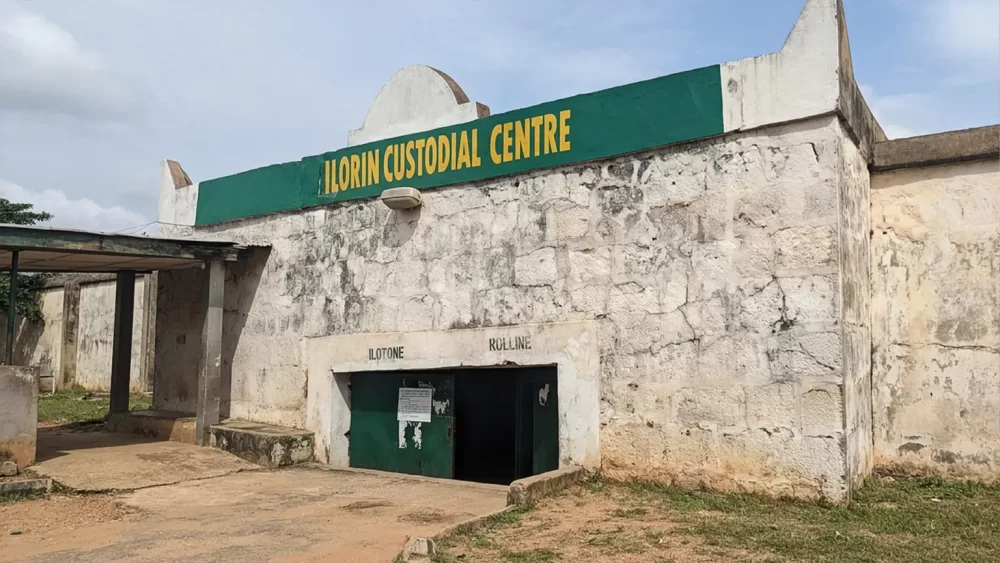
He spoke yesterday in Ilorin during a visit to the Oke-Kura Custodial Centre, following reports of the deaths of three condemned inmates in circumstances that have raised questions about the facility’s operations.
The visit, undertaken on the directive of the Minister of Interior, Dr Olubunmi Ojo, came barely a week after the Controller-General’s earlier visit to the facility, following reports that two inmates had escaped.
Nwakuche disclosed that more than 70 condemned inmates were being held at Oke-Kura, with some having spent over a decade awaiting the execution of their sentences.
Describing their prolonged stay as troubling, he said the situation had been compounded by severe overcrowding, noting that the facility, built during the colonial era, was housing about 685 inmates.
He said: “Throughout the federation, we have over 4,000 inmates on death row, and we have been appealing to the necessary authorities, the governors, to do what the law permits them to do.
“Can they commute their sentences to life imprisonment so that we will be able to distribute them to less congested facilities, where we can also subject them to treatment regimes, teach them trades and make them useful to society upon discharge?”
The Controller-General lamented that most correctional facilities were inherited from the colonial administration and had become inadequate for modern correctional services.
He said overcrowding was placing enormous pressure on personnel and infrastructure, as well as limiting the service’s ability to classify, separate, rehabilitate and train inmates effectively.
“This is a terrible situation. You can see that this facility, which was built during the colonial era, is housing almost 685 inmates. The place is congested, terribly congested,” he said.
Nwakuche disclosed that the NCS had opened discussions with state governments on possible interventions to address the growing population of condemned inmates and ease pressure on custodial centres.
He appealed to the governors to respond to the concerns, stressing that managing overcrowded facilities had become increasingly difficult.
“We have been talking about these inmates on death row. I want to believe that the necessary authorities, the governors, will listen and come to our rescue because it is not the easiest thing to take care of a congested facility.
“It puts stress on personnel, infrastructure, classification, separation and training,” he added.
The Controller-General also commended the media for its role in reporting developments within the correctional service, urging journalists to verify information before publication.
He assured Nigerians that the service would uphold transparency and accountability in addressing concerns surrounding the reported incidents at the custodial centre.
“We are going to do our best in the area of accountability. We owe it to the public and Nigerians to tell them the truth about what happened,” he said.