- The change to correctional centres is welcome but not enough
After years of mulling the idea of changing the name of Nigerian Prisons Service to Nigerian Correctional Service, it has been finally accomplished with the presidential assent to the bill to that effect passed by the 8th National Assembly. The new act is expected to introduce widespread reforms to the management of the erstwhile prisons now known as correctional centres.
The move is commendable. It suggests that the Federal Government acknowledges that the inmates remain citizens nonetheless, with their fundamental rights intact. The reform came from agitations by human rights activists and non-governmental organisations that have over the years complained that the facilities are overcrowded, the health of the inmates hardly paid attention to even as those involved in some misdemeanors are kept with hardened criminals. The result is all too predictable: they come out tougher than they went in, prepared to take it all out on the society.
The society, too, does not make things easy for the compatriots who had served time. All these have received attention in the new act, while the Ministry of the Interior is saddled with the task of ensuring that there is attitudinal change towards those who had served time. The name change is expected to point out the essence of taking people through the justice system – correction. We hope Nigerians will cooperate with the ministry and non-governmental organisations to align Nigeria with civilised countries where rights of inmates are not wantonly trampled upon.
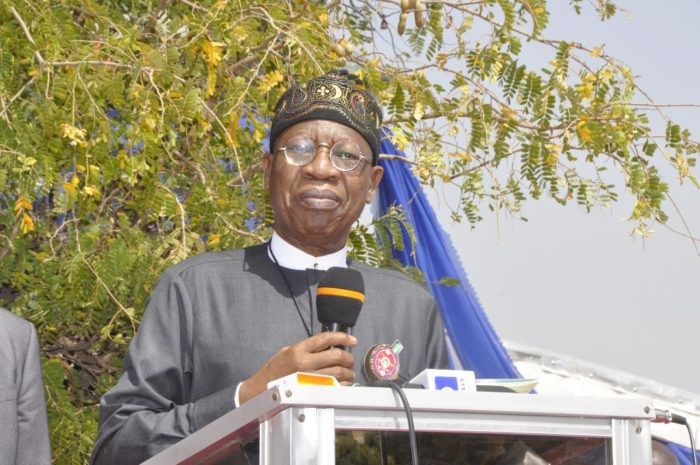
Government must however note that it does not stop at correction of the service’s name. We agree with the Minister of the Interior, Alhaji Rauf Aregbesola, that non-custodial sentences such as parole, suspended sentence and community service, among others, should be considered adequate for minor offences.
Today, those in the correctional centres are 73, 103. Of the figure, 50,216 are awaiting trial and unsure of when they would have their day in court. Some are being held for offences for which they were granted the option of fine not more than N5, 000 – N10, 000. Some lost their cases in court only because they could not afford to employ the services of lawyers. State counsel who are then deployed to handle the defence are either too inexperienced or lackadaisical in handling the matter. The five centres in Lagos hold 9, 044 inmates, whereas their combined capacity is 4,087. The Ikoyi, Lagos Centre holds 2,976 inmates, despite having the capacity of holding only 800. The Kirikiri Correctional Centre has 3,925 inmates, whereas only 1,700 could be conveniently accommodated there.
Under the reforms, a centre could turn down new inmates where it is already filled to capacity. It could also reject fresh intakes on the ground of the inmate’s health status, age or gender, where it has no facility to take care of women. It is common to have children staying in the facilities with their mothers; this would no longer be accepted. The correctional centres should be run professionally. This calls for training and re-training of personnel.
Government should note that the correctional centres cannot stand alone. Its reform must be complemented with a wholesale reform of the justice system. The police that are saddled with investigation of crime, arrest and detention of criminals have a major role to play in the process if the correctional centres are to function optimally. The ministries of justice that handle prosecution of suspects, and the courts, too, should be brought on board. A system that keeps suspects in custody for 10, 15 years without trial is unacceptable. Unless a change is effected, the call for reform of the correctional system would be a mirage.