Rivers State, since 2013 till date, has been simmering with politics of hate and violence, with the ruling All Progressives Congress (APC) in the state and the opposition Peoples Democratic Party (PDP) trading recriminations on who is culpable. In what many have linked with scheming ahead of the 2015 general elections, the problem appears partly rooted in the stripping, by the courts, of the state of oil producing acreages to the benefit of Abia, Akwa-Ibom and Bayelsa states, a development Governor Rotimi Amaechi believed was made possible by President Goodluck Jonathan. Then came the speculation that Amaechi had plans to team up with a northern presidential aspirant for the 2015 polls as a vice presidential hopeful, despite Mr. President’s body language that he was interested in the race. Reports were subsequently bandied about of soured relationship between the President backed by his wife, Patience and Amaechi.
Part of the fallout was the factionalisation of the Nigerian Governors’ Forum (NGF), which Amaechi once headed as chairman. It also engendered other series of violent political confrontations in Rivers State, to the point that early last year, the National Executive Committee of the APC, Amaechi’s new political party after he exited the PDP, directed its members in the National Assembly to block the passing of that year’s Appropriation Bill and the confirmation of President Jonathan’s new cabinet nominees and other strategic appointments “until the Federal Government halts the escalating violence in Rivers State”. The major reason for the step taken by the APC hierarchy was that the President was allegedly using the leadership of the Rivers State Police Command to hound his political opponents in the state, led of course by Governor Amaechi.
Indeed, another bizarre fallout was the reported shooting of Senator Magnus Abe at a campaign rally allegedly by the police. Violent crisis rocked the state House of Assembly, following which the Majority Leader, Mr. Chidi Lloyd, was arrested and charged with attempted murder of his colleague, Mr. Michael Chinda (PDP- Obio/Akpor 11). Lloyd, it was alleged, smashed Chinda’s head with a mace during a fight between pro-Governor Amaechi lawmakers and those against the governor. He (Lloyd) was later discharged and acquitted by a Port Harcourt High Court.
While campaigns for the 2015 elections were ongoing, rallies of the APC governorship candidate, Dakuku Peterside, were disrupted by gunmen; and the party claimed scores of its supporters were killed in separate attacks. Nyesom Wike, the PDP governorship candidate, also alleged plots by the APC to harm his supporters. Reports a few days to the March 28 election indicated that suspected political thugs fired live bullets at Governor Amaechi’s convoy in the Rumuolumeni area of Obio/ Akpor Local Government Area of the state. Just last weekend, it was reported that the Independent National Electoral Commission’s (INEC) office located in Emohua Local Government Council headquarters was razed by unknown political thugs.
The latest report is that at least 11 people, including a former local council chairman and six members of his family, were killed by unidentified gunmen at two different locations in the state. The former council boss of Ogba/Egbema/Ndoni LGA, whose first name was given as Christopher and members of his family were killed in Obrikom/ Obor communities in Obio/ Akpor LGA. Recall that in November last year, between 10 and 15 people, including an unnamed chieftain of the APC, were also killed and properties worth millions of naira destroyed in a late night clash purportedly between two ‘rival cult groups’ in Omoku, headquarters of Ogba/Egbema/ Ndoni LGA in the same state.
It may, therefore, be rightly argued that Rivers State has witnessed more political violence and related deaths than any state in the country so far, and that all warnings against political violence and the need for credible polls in 2015 are falling on deaf ears in the state. The situation may even degenerate during next Saturday governorship and state legislatures’ polls.
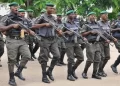
It is quite disappointing that the nation’s security agencies, especially the police, have failed woefully in arresting the lingering political violence and killings in Rivers State. No known culprit has been diligently prosecuted or brought to book. The apologetic, passing-glance and perceivably partisan handling of the impunity in Rivers State by the police is unacceptable. If the trend must be reined in, the police should act firmly, impartially and fast.