The Federal Government has announced plans to rehabilitate 417 grazing reserves and establish modern ranching settlements in six major conflict-prone areas as part of efforts to end farmers-herders clashes.
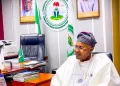
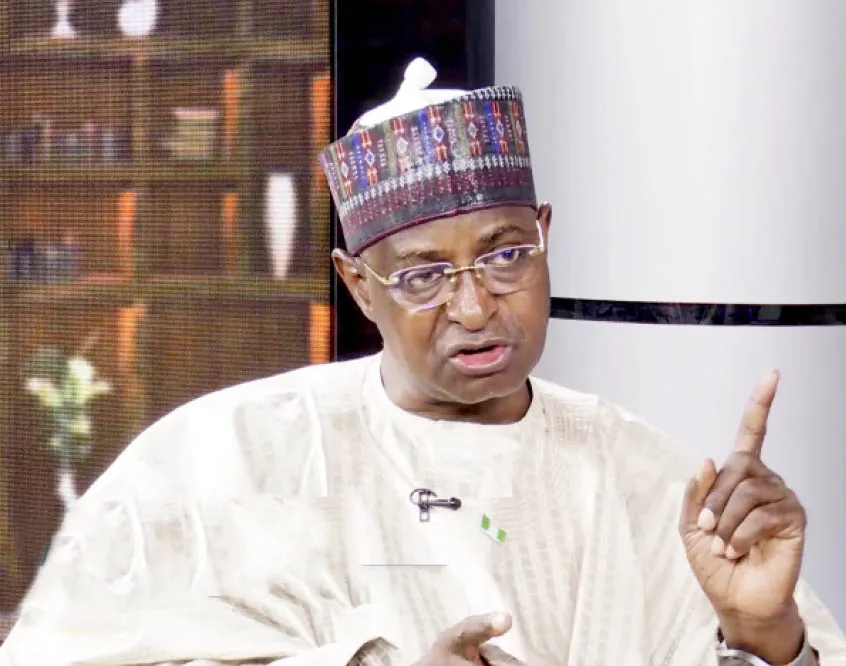
The Minister of Livestock Development, Idi Mukhtar Maiha, disclosed this on Tuesday after briefing President Bola Ahmed Tinubu at the Presidential Villa, Abuja.
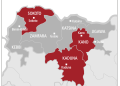
He identified Benue, Plateau, Nasarawa, Kaduna and Adamawa states, as well as the Federal Capital Territory (FCT), as priority areas because of their history of farmers-herders conflicts.
Maiha said the government had identified 417 grazing reserves nationwide and started a pilot scheme in Plateau State to test a new livestock production model aimed at reducing cattle movement.
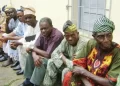
He said the ministry was consulting pastoral communities and about 34 organisations to secure their support for the transition from nomadic livestock production to ranching.
According to him, the government recently met with pastoralists led by the Grand Patron of Miyetti Allah and Sultan of Sokoto, Alhaji Muhammadu Sa’ad Abubakar, with another meeting scheduled within two weeks.
Maiha said nomadic livestock production was becoming unsustainable because grazing routes had disappeared due to farming, urbanisation and infrastructure development.
“Why don’t you provide these resources and stop these animals from moving? Human beings can move; they don’t cause crises. It’s the animals’ movement that normally generates this crisis,” he said.
He said the government would promote commercial pasture cultivation, allowing grass to be grown within livestock settlements or harvested elsewhere and transported to the animals.
He added that breed improvement would enable herders to keep fewer but more productive animals, reducing pressure on land while increasing milk and meat production.
Maiha said the ranching model would transform grazing reserves into economic communities with housing, veterinary clinics, schools, healthcare facilities, solar power and earth dams for pasture irrigation.
“At the end of the day, each of those grazing reserves will become an economic hub,” he said, adding that milk processors, modular abattoirs and biodigesters would be attracted to the settlements.
The minister said consultations with pastoralists had so far met no resistance, stressing that nomadism was no longer sustainable.
He also announced plans to introduce radio-frequency identification tags for livestock to establish ownership, track animals and develop a national livestock database.
Maiha said the government had built seven model veterinary clinics and planned to establish at least one model veterinary hospital in every state.
He added that the government was encouraging investment in modern abattoirs and large-scale dairy projects while promoting commercial fodder production for local consumption and export.