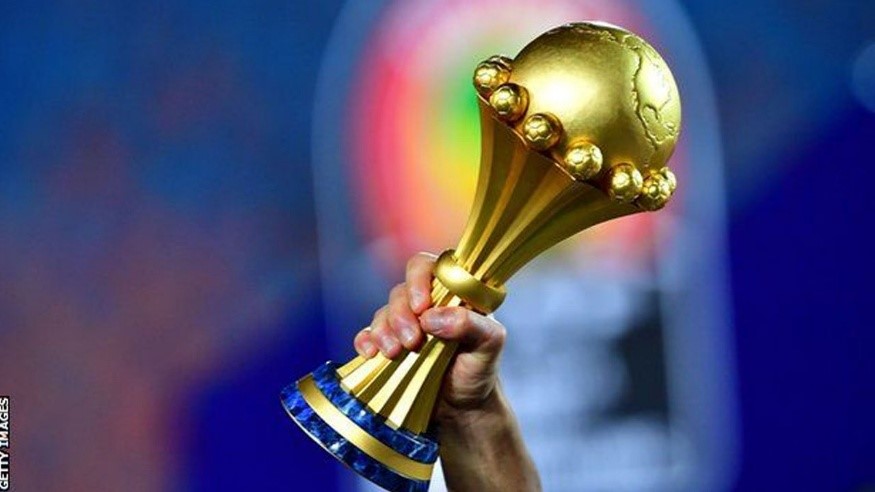
The Africa Cup of Nations (AFCON) is back on a biennial footing, less than a year after CAF set out a different future for its leading national-team tournament. The confederation’s executive committee voted unanimously on 29 October 2026 to restore the two-year cycle.
There is a calendar wrinkle behind that decision. An AFCON in 2027 will be followed by one in 2028. The wait after that is longer: 2031, then 2033.
That makes the edition important in tournament betting. An outright selection considered after visiting 1xbet.ss/en/mobile needs a year attached to it, with both 2027 and 2028 now in the schedule.
Those are separate competitions, however familiar the contenders might look.
CAF’s explanation centred on the proposed Africa Nations League.
The competition was intended to take over the biennial role while AFCON moved to a four-year schedule.
It would, however, need several years before generating the substantial funding CAF wanted for African football.
President Patrice Motsepe had already signalled a rethink at the strategy conference held in Santa Maria, on Sal Island in Cabo Verde from 7 to 9 October.
The executive committee’s vote turned that reconsideration into a decision. Motsepe said the interests of the 54 member associations, along with African players working for clubs abroad, had informed the change.
The December promise was for a top-level African national-team event every year, with World Cup years left clear. Fixture clashes were part of that announcement on 22 December 2025 too. CAF said it was working with FIFA on fitting the games together, so players were not caught between club schedules and national-team commitments.
The planned Nations League would have had a job that AFCON already does: helping pay for the wider game. The October rethink acknowledges that a new event could not be expected to produce those resources straight away.
That difference reaches the wording of an outright bet. A selection naming AFCON does not become a Nations League selection merely because one tournament was proposed as a replacement for the other. The distinction also matters when comparing outright odds across editions. A price quoted for the 2027 tournament concerns a different competition from one offered for 2028, despite the short gap between them.
The review also followed an executive committee meeting on 2 October, when CAF approved its competitions calendar for 2026–2030. That approval and the subsequent AFCON vote deal with different questions: one set out a broader programme, while the later announcement changed the frequency of the senior continental championship within CAF’s plans for the years ahead.
Motsepe’s October statement leaves the next AFCON in East Africa. It also names the editions that follow, while pointing to the 2030 World Cup as a year in which CAF would not stage the finals.
| Year | Position in CAF’s announcement |
| 2027 | AFCON in Kenya, Tanzania and Uganda |
| 2028 | AFCON retained in the sequence |
| 2030 | World Cup year, without AFCON finals |
| 2031 | Next AFCON named after 2028 |
| 2033 | Further AFCON edition named |
“Every two years” does not quite describe the next few entries in the diary. There is a one-year gap first, then three years before the next AFCON. Beyond East Africa, Motsepe supplied the tournament years without saying who would host them or when, within those years, the games would be played.
The immediate job still falls to Kenya, Tanzania and Uganda. Their tournament is due to open on 19 June 2027 and finish on 17 July, under dates CAF announced on 2 May. It will be the first AFCON shared by three host countries.
CAF’s qualifying programme places the remaining group matches in two windows:
- 9–17 November 2026: matchdays three and four.
- 22–30 March 2027: matchdays five and six.
CAF’s qualifying programme includes 48 teams, the co-hosts among them. With a football bet in South Sudan on the winner of a qualifier, the question ends with that fixture. Naming the eventual AFCON champion is a much longer commitment, running through the final tournament itself.
The scale of the reversal is visible in CAF’s own paperwork. The invitation sent out on 3 July asked associations to bid for 2028, then 2032 and 2036. That is a document from the four-year plan. The October list gives prospective hosts a different set of years to think about.
The July invitation also described a bidding framework prepared with technical and financial advisers. T
he year 2032 appears in the old invitation; 2031 and 2033 appear in the new sequence. CAF has not explained in that statement how the hosting process will accommodate the switch.