- Cost-saving measures in this regard are commendable but inadequate
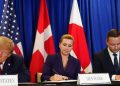
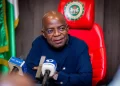
Obviously in a bid to demonstrate the seriousness of President Muhammadu Buhari’s determination to cut down on the cost of governance in order to free funds for developmental purposes, the presidency has announced new measures to instill greater financial frugality and responsibility by public office holders in the area of official travels. A statement by the Office of the Secretary to the Government of the Federation (OSGF) has spelt out details of the guidelines, which are from now on to determine the eligibility of public officers to undertake both local and foreign official trips. The underlining principle of the new travel stipulations is that all travels “must be for highly essential statutory engagements that are beneficial to the interest of the country”.
Apparently to ensure that all trips accord with the requirement of essentiality, requests for travels must now be made not only using the stipulated template but also only after securing necessary approvals from the appropriate quarters. Furthermore, all travel requests must be backed by documentary evidence. The success of the new guidelines will thus depend to a significant extent on the approving authorities exercising their discretionary powers with a high sense of responsibility. This then implies that there must be mechanisms for monitoring approved travels and ensuring that they meet stipulated standards and that those who approve frivolous trips are severely sanctioned.
According to the new rules, ministers, permanent secretaries, chairmen of extra-ministerial departments, chief executive officers of parastatals as well as directors are no longer permitted to make more than two foreign trips per quarter. Furthermore, every official delegation headed by a minister must not comprise more than four persons, including the relevant director, schedule officer and one aide of the minister. For every other delegation led by persons below the rank of minister, the composition must not exceed three.
Again, only ministers, permanent secretaries, special advisers, senior special assistants to the president, chairmen of extra-ministerial departments, and chief executive officers of parastatals can continue to fly business class while other categories of public officers must now travel in economy class. In a similar vein, as stated in the circular by the OSGF, “travel days will no longer attract payment of estacode allowances as the duration of official trips shall be limited to only the number of days of the event as contained in the supporting documents to qualify for public funding”.
These are no doubt commendable cos- cutting measures but they remain essentially symbolic and cosmetic. So deep is the protracted economic crisis in which the nation is trapped that far more fundamental and drastic measures are required to put development on the front burner of public expenditure in governance. For instance, there are still so many items in budgets at all levels of government that are only of tangential value to good and productive governance. There can surely be a great deal more discipline and sense of responsibility even in drawing up our annual budgets to eliminate duplication of budgetary heads and sheer waste.
While President Buhari is widely admired for his personal asceticism and frugality, this must be made to reflect more in the actual practice of his administration. For instance, the administration cannot afford to be indifferent to calls in some quarters that the president himself cut down on the number of his perceived non-essential foreign trips to serve as an example to others at all levels of governance.
Again, drastic action by the president to cut down on wasteful expenditure in the executive arm of government will give Buhari the moral integrity to lead the crusade against the current unsustainable and unethical expenditure items in the legislative arm, as well as actualise concrete change in this regard.