The recent imposition of a N5 million fine each on Trust Television Network, Multichoice (DSTV), TSTV and NTA-Startimes by the National Broadcasting Commission for airing a documentary on bandits, and threats against the BBC for a similar programme are misplaced and diversionary. Earlier, the Minister of Information and Culture, Lai Mohammed, had threatened sanctions against them for alleged “terrorism glorification” in their separate documentaries that featured interviews with bandit leaders. Rather than harass the media, the Federal Government should direct its fury and instruments of coercion against the sundry terrorists threatening the country’s corporate existence.
The federal and northern state governments and elite should also start rolling back the policies and actions that embolden criminals and address the root causes that give rise to and sustain insecurity. The assault on the media shows that the President, Major General Muhammadu Buhari (retd.), and his regime are still in denial of the real threat and reverting to their default mode of inertia and blaming others for their failures.
Emphatically, the media outlets were only carrying out their legitimate duty. For sure, insecurity and terrorism are global scourges afflicting many countries, with its “centre of gravity” shifting to sub-Saharan Africa, according to the Global Terrorism Index. Nevertheless, Nigeria’s elite pursue actions that facilitate their staying power locally. Government and its agencies have failed woefully to secure lives and property, deter crime and criminals, and to track down, arrest and prosecute the terrorists of diverse garbs destabilising the country.
Similarly, years of brigandage, mass murders and violent invasion of farmland by Fulani herders/militants in the North-Central and in Southern Kaduna State without consequences have fostered a culture of entitlement. Like Buhari and other regime actors, the herders constantly lay claim to and demand untrammelled rights to non-existent “grazing routes” and “grazing reserves,” including the right to occupy public forest reserves.
In several northern states, when the unconstitutional religious police seize and destroy consignments of alcoholic beverages, violate other people’s rights of assembly, dressing and faith under the cover of the state, non-state actors like Boko Haram, Ansaru, ISWAP do likewise in the pockets of territory they control.
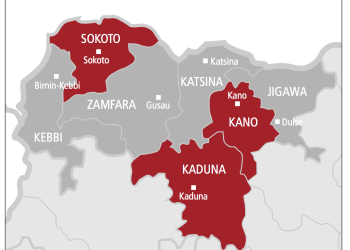
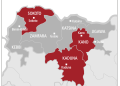
The federal and state governments should therefore address the roots of insecurity. These include illiteracy, vagrancy, and religious extremism. A new estimate says the number of Nigeria’s out-of-school children has hit 18.5 million. The Universal Basic Education Commission indicated that Kano State has the highest; Katsina, Kaduna, Taraba, Sokoto, Yobe, Zamfara, and Bauchi also have high numbers. Illiteracy, poverty and unemployment fuel crime and terrorism.
The federal and state governments should stop pursuing policies that entrench poverty. They should implement sound economic policies and stop wasting public resources, and eradicate the almajiri system that breeds battalions of indigent, unemployable and impressionable youths.
Some states sowing fiery seeds are reaping the firestorm. Instead of peace and productive activities, the 12 northern states enforcing religious laws have descended into violence and criminality. The entire country is paying the price.
There is more. A senior politician, Abubakar Baraje, once confessed, “The Fulani causing security problems in the country were brought in to help facilitate victory in the 2015 election. After the election, the Fulani refused to leave.” The Emir of Muri similarly recalled that having “invited” and settled them in the forests, killer Fulani herdsmen have since engaged in kidnapping, killings, and rape on communities. Instead of flushing out the invaders and deporting them, some states have been appeasing bandits with a dubious amnesty that rewards criminality.
The Federal Government and the northern elite should drop their opposition to state police; its continued delay in the face of the collapse of the centralised policing system leaves many areas un-policed.
Over the years, the failure to punish terrorists and their enablers has entrenched impunity. Over one year after Abubakar Malami, the Attorney-General of the Federation, claimed to have uncovered 400 terrorism financiers, they have not been publicly tried. Very few of the Fulani killers and bandits have been brought to trial.