Residents of Igbesa Community, Agbara Ogun State, yesterday, October 3, witnessed local vigilante group, in conjunction with the Oodua Peoples Congress (OPC), uncover an alleged homosexual meeting venue in the community.
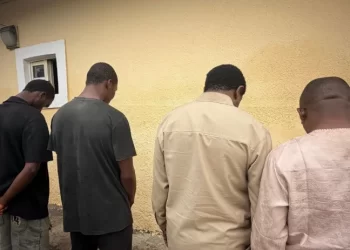
Since the operation, the residents have continued to pour encomiums on the local vigilante group and the OPC for successfully uncovering homosexual hideouts and meeting venue and arresting about 16 homosexuals in the process.
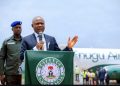
According to the Local Council Development Area (LCDA) Chairman of the community, Mr. Abidemi Banjoko, the growing number of youths indulging in homosexuality has been not only disturbing but frightening.
Banjoko stated that the youths who were supposed to be the leaders of tomorrow engaged in immorality, drugs, violence and prostitution.
He added that the Igbesa incident has sparked widespread discussions on morality, law enforcement and societal values in Nigeria.
Banjoko commended the joint efforts of the local vigilante group as well as that of the Oodua Peoples Congress for successfully uncovering and arresting the suspects after successfully uncovering and dislodging the homosexuals.
Also, the leader of the local vigilante group, Mr. Babatunde Olusoji, stated that the residents of the community deserved the commendation and applause for their bravery and courage.
According to him, the vigilantes would not have been able to uncover the homosexual hideout if not for the information provided to them and the cooperation by members of the community.
Olusoji urged other communities to emulate the courage of the people of Igbesa community.
The vigilante group leader also confirmed the arrest of the alleged homosexuals.
Olusoji added they had handed the arrested suspects to the Area K Police Divisional Headquarters to investigate and prosecute.
Meanwhile, the Divisional Crime Officer (DCO) Area K, DSP K. Fashina, also confirmed that sixteen suspects were now in police custody.
The vigilante group and DCO disclosed that some of the arrested suspects had been on a blacklist.
They identified one of the suspects as one Emole Chinedu Rueben “M”, whom he said was allegedly seen by some local vigilantes kissing a same-sex lover, Ugochukwu Gibson Nwachukwu.
DSP Fashina disclosed that the suspects somehow managed to escape before they could be apprehended.
The Police added that the suspects had been at large for over one year
The second suspect, Ms. Aisha Usman “F”, was reported to have defrauded her friend and was also alleged to have engaged in same-sex offence with Adedoyin Ajibola “F”.
A third suspect, Ifeoma Njoku “F”, had been on the police wanted list after her same-sex partner’s fiance exposed and reported her bi-sexual relationship with his fiancee one Ngozi Blessing Ofoma “F”, who was still at large.
Another suspect, Tobi Oyelayo, “M”, 33 years old, admitted to the media that he was bi-sexual and in a relationship with Ejilasis Adefemi “M” and a second partner, Adeniyi Temitope Adejumo “M”.
He told the media that he was willing to change his ways and pleaded that the government should forgive him and grant him another chance to amend.
Oyelayo narrated that he was introduced to the act by their house help when he was younger.
He confessed he had been hiding in Cotonou, Benin Republic and that he had only returned to Nigeria a day before the arrest.
The Police DCO said all the suspects had given their statements to the police and would be charged to court after investigatikns were concluded.
The DCO insisted the Force would go after their various partners wherever they might be and ensure they were arrested and brought to book.
The police also reaffirmed its stance against Lesbian, Gay, Bisexual, and Transgender (LGBTQ) activities, emphasizing that such practices were illegal under Nigerian law and has no place here in Nigeria.
The 2014 law, signed by then-President Goodluck Jonathan, prescribes up to 14 years of imprisonment for homosexual acts.
The law has led to increased persecution, violence and legal prosecutions of members of the LGBT community across Nigeria.
The Nigerian LGBT community has continued to face threats and violence, often living in fear of legal repercussions and societal discrimination.
Some Human rights organizations have condemned the anti-gay laws, citing violations of fundamental human rights, but the government maintains that such laws are necessary to uphold traditional moral values.