


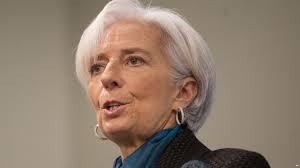
The Managing Director of the International Monetary Fund (IMF) Ms. Christine Lagarde, on Wednesday painted a grim picture of the Nigerian economy, warning that the country faces hard choices going forward.
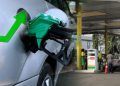
She spoke strongly about the need to remove oil subsidy, which she said is hard to defend and the imperative for the country to increase the rate of Value Added Tax (VAT).
Lagarde, who spoke when she led a team of IMF officials on a courtesy visit to the Senate President, Bukola Saraki, said the implication of the hard choices for the country meant that hard decisions will need to be taken on revenue, expenditure, debt, and investment for Nigeria to emerge from the impending economic doldrums.
The IMF boss predicted that oil prices, the mainstay of the Nigerian economy, will likely remain low for quite a long time
The IMF chief, who entitled her speech – “Nigeria—Act with Resolve, Build Resilience, and Exercise Restraint,” kept Saraki and other members of the Senate leadership spellbound for about one hour.
She said, “My first visit to Africa as IMF Managing Director was in late 2011, and the first country on my itinerary was Nigeria. At that time, Nigeria was emerging from the 2008-09 commodity price collapse and the banking crisis that followed.
“Since that visit, Nigeria has been acknowledged as the largest economy in Africa—with a maturing political system.
“We saw a peaceful general election last year in which, for the first time in Nigeria’s history, there was a democratic transition between two civilian governments. It was a strong sign of Nigeria’s commitment to democracy, to a new Nigeria.
“At the same time, the external environment has changed. Oil prices have fallen sharply, global financial conditions have tightened, growth in emerging and developing economies has slowed and geopolitical tensions have increased.
“All this has come at a time when Nigeria is facing an urgent need to address a massive infrastructure deficit and high levels of poverty and inequality.
“So, Nigeria faces some tough choices going forward. Nigerians, however, are well known for their resilience and strong belief in their ability to improve their nation and lead others by example.
“I firmly believe that Nigeria will rise to the challenge and make the decisions that will propel the country to greater prosperity.”














IMF are not good managers for nations’ economies BUT loan specialist that will leave borrower nations in perpetual debt and their citizens in abject poverty and suffering.
And even before the coming of the IMF head to Nigeria, the Federal Government has talked about removing oil subsidy and looking inwards in trying to get out of the present economic situation.
May God provide our leaders with the required policies and direction.
Apparently, Ms Lagarde side stepped the billions of money that had been looted and still been looted out of the country.
How can you talk of good management of the economy when the resources you have already is not been used wisely?
The only people who can and will propel and help the Nigerian economy move forward are ordinary Nigerians who will been hit directly harder by this short sighted prescriptive policies by Mrs Lagarde.
The Nigerian film and entertainment industries are good examples of the common people economic regeneration if given the substantive opportunity.
IMF is a megaphone for the interest of the West.
In my book, this is the best time and opportunity for Nigerians to “do it themselves” by using their innate resilience in a creative way to chart thier way out of the present economic straitjacket they put themselves into. The present Nigerian economic situation is dire enough but not insurmountable. This current financial conundrum of the country is nothing new in the world. IMF, go away and preach your doom laden economic gospel to the uninitiated.
Fine words, gloss and no real and new substance. Heard it all before. Yawn… An hour long free time for the Senate. It’s now Senate time to do lunch. Lol!