Nigeria has long prided itself on being a hospitable country. Foreigners who live, work, or invest in the country are entitled to protection under the law and the opportunity to pursue legitimate economic activities. In return, they are expected to respect Nigeria’s laws and contribute positively to national development.
Unfortunately, a disturbing pattern has emerged over the years: some foreign nationals appear to view Nigeria as a permissive environment where crimes can be committed with little fear of consequences.
The result is an alarming expansion of foreign-linked criminal networks involved in the vandalism of critical infrastructure, illegal mining, economic sabotage, and the plunder of national assets.
Despite the efforts of security agencies, reports of foreign involvement in criminal activities continue to surface across the country.
Nigeria’s rail infrastructure has been a recurring target. The Nigeria Security and Civil Defence Corps recently invited Chinese nationals linked to two companies about the alleged theft and illegal recycling of railway materials. Subsequently, they obtained court orders sealing their facilities nationwide.
The scale of infrastructure vandalism in Nigeria is staggering. The telecommunications industry reportedly loses about N600 million daily to infrastructure vandalism. Between 2019 and 2023, over 7,100 pipeline incidents cost N471 billion in repairs alone. In 2024, vandals destroyed 128 electricity transmission towers, with repairs costing N12.8 billion.
According to the NSCDC, investigations uncovered a highly sophisticated syndicate allegedly involved in the destruction and theft of critical national infrastructure.
Suspects linked to the network face allegations ranging from conspiracy and theft to destruction of railway infrastructure, concealment of stolen property, and even terrorism financing.
The theft and illegal recycling of railway components, electrical grid materials, petroleum installations, and highway infrastructure have become an organised criminal enterprise.
Investigators linked a facility in Kaduna State to the compression of stolen rail materials into scrap for transportation to other parts of the country. The NSCDC subsequently sealed the premises and summoned Chinese nationals associated with the company.
The corps also arrested 12 suspects following revelations of extensive vandalism of newly installed Kaduna-Kano railway infrastructure. The location allegedly served as a depot for stolen railway components, NNPC pipelines, and water utility installations.
In 2021, a joint security operation arrested two Chinese nationals and 28 others for the systematic vandalism of railway tracks and sleepers across Nasarawa State. They were charged with conspiracy, economic sabotage, and terrorism-related offences.
Elsewhere, security operatives arrested suspects allegedly involved in vandalising railway infrastructure along the Abuja-Kaduna corridor. Recovered items included railway tracks, sleepers, and equipment used in dismantling the facilities.
These acts amount to economic sabotage. Nigeria has secured approximately $2.25 billion in Chinese loans over the past decade for railway modernisation and construction. It is unconscionable that infrastructure funded with borrowed resources should become prey to criminal syndicates, some allegedly linked to foreign interests.
Apart from the railways, the illegal exploitation of Nigeria’s vast mineral resources by foreign nationals has become an even greater threat.
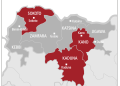
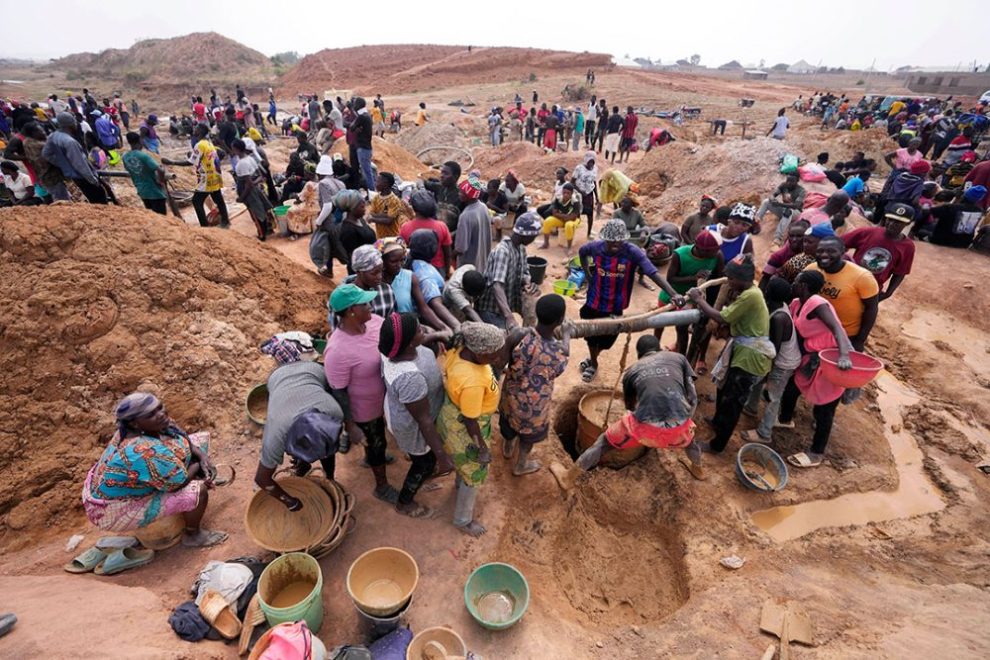
In gold-rich states such as Zamfara, Niger, Kebbi, Kaduna, Osun, and parts of the North-Central region, foreign operators have been repeatedly accused of participating in illicit mining activities that deprive the country of revenue, destroy the environment, fuel insecurity, and enrich criminal networks.
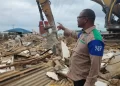
The January 2024 explosion in Bodija, Ibadan, underlines the dangers posed by this lawlessness. The devastating blast, which killed innocent residents, injured scores of others, and destroyed homes and businesses, was traced to explosives allegedly stored by a foreign national involved in mining operations.
The fact that such dangerous materials could be stockpiled in a densely populated residential neighbourhood exposed glaring regulatory failures and shocking disregard for human life.
That tragedy should have triggered a comprehensive national crackdown on illegal mining operations and the criminal networks behind them. Instead, reports of illicit mining activities continue to emerge from various parts of the country.
Even more troubling are persistent allegations that some of these foreign operators enjoy protection from compromised security personnel. Numerous reports suggest that illegal miners and smugglers of gold and other strategic minerals often move across the country under armed escort provided by rogue security operatives.
Such collusion transforms ordinary criminality into organised economic warfare against the Nigerian state.
No country can tolerate a situation where its security personnel become facilitators of the looting of national wealth.
Any law enforcement officer found providing protection, intelligence, transportation, or logistical support to illegal miners, vandals, or smugglers should face prosecution for economic sabotage and corruption.
Nigeria loses billions of dollars annually to the theft of public assets and the illegal extraction of mineral resources. For a country struggling with debt, infrastructure deficits, unemployment, and declining revenues, this is a national emergency.
The consequences extend far beyond financial losses. Communities suffer blackouts when transmission infrastructure is destroyed.
Railway services are disrupted. Telecommunications networks become unreliable. Environmental degradation devastates farmlands and water sources. Public safety is compromised, as the Bodija explosion tragically demonstrated.
The Federal Government must respond with greater urgency. Foreign nationals operating in sensitive sectors should undergo stricter scrutiny.
Immigration records, mining licences, and corporate registrations should be subjected to periodic audits. Illegal operators must be identified, prosecuted, and deported after serving appropriate sanctions.
There should also be a comprehensive annual audit of vandalised infrastructure, illegal mining activities, and the role of foreign actors in such crimes. The findings should be made public to enhance accountability.
Equally important, the assets of both local and foreign companies found culpable in economic sabotage should be confiscated through due process. Criminal enterprises thrive when the profits outweigh the risks. That equation must change.
While the efforts of the NSCDC and other security agencies deserve commendation, they cannot afford complacency. Surveillance of critical infrastructure and mining sites must be intensified through modern technology, intelligence gathering, and inter-agency cooperation.
Nigeria’s openness to foreign investment must never be mistaken for weakness. Genuine investors are welcome—criminals masquerading as investors are not.
Those who come to exploit, vandalise, steal, and plunder the country’s resources must face the full weight of the law, together with any local collaborators who enable their crimes.
The protection of Nigeria’s infrastructure and natural resources is indeed a matter of national survival.