The Governor of Ondo State, Lucky Aiyedatiwa, on Monday announced the formal enrolment of all retired civil servants in the state into the Orange Health Insurance Scheme, with the state government fully funding their coverage.
He said the decision was driven by the growing healthcare needs of pensioners amid rising medical costs associated with old age.
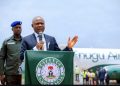
Aiyedatiwa made the announcement at the maiden National Summit of State Social Health Insurance Agencies held at the International Culture and Event Centre in Akure, the state capital.
The summit, themed “Economic realities and the universal health coverage dream: mobilising states for scalable health Insurance”, brought together policymakers, health insurance managers, development partners and government officials from across the country to discuss strategies for achieving Universal Health Coverage under current economic conditions.
The governor said the initiative would give retirees access to consultations, treatment, medication, and specialised services without financial burden.
“I am pleased to formally announce a landmark policy shift by our administration to safeguard the senior citizens who invested their active years in serving our State. I have approved the formal inclusion of retirees under the Orange Health Insurance Scheme at absolutely no cost to them.
“Our retirees face unique, age-related health challenges during a phase of life where medical bills can quickly become overwhelming. By absorbing our pensioners into ORANGHIS entirely free of charge, we are removing financial barriers to healthcare and ensuring they have unrestricted access to premium medical services, essential treatments and specialised care without breaking banks.
“To support this expanding insurance mandate, our administration is heavily investing in strengthening our medical infrastructure. We have initiated the construction and comprehensive upgrades of our healthcare facilities in addition to recruiting more medical practitioners.”
Aiyedatiwa also announced approval of a N1 billion Hospital Intervention Fund aimed at expanding and modernising healthcare facilities across the state. He said the fund, separate from routine health expenditure, is intended to improve hospital capacity and service delivery.
He attributed developments in the health sector to deliberate planning, strategic leadership, and sustained commitment to citizens’ wellbeing.
In his welcome address, the Commissioner for Health, Banji Ajaka, described the summit as a timely platform to address key challenges in Nigeria’s health sector.
He said current economic realities require states to adopt innovative financing strategies to sustain healthcare delivery, stressing the need for efficient resource mobilisation, reduced leakages, and expanded coverage for the informal sector and vulnerable populations.