Tomorrow, Nigerian voters will again troop out in their numbers, this time to determine the governors and state assemblies’ members that will govern them over the next four years. Two weeks ago, the races for the presidency and the National Assembly were determined by the electorate, who voted against the incumbent government and opted for the opposition, choosing a new president and several new National Assembly members. It was the first time in the history of this country that an incumbent regime was defeated. It was also one of the most peaceful elections in the history of this country, thanks to the statesmanship of President Jonathan and the hard work of the election umpire, Prof Jega. If tomorrow’s election is conducted in the same manner, it will be a great blessing for this country and a true mark of success at democratic governance and statecraft. However, there are signs that the feat may not be replicated.
In the South West, the battleground is Lagos State, where, in the presidential election, the All Progressives Congress (APC) won by a slim margin against the Peoples Democratic Party (PDP) and both gubernatorial candidates of these two leading parties have a massive following. Already, remarks purportedly made by the oba of Lagos, Oba Rilwanu Akiolu II, who apparently supports the APC are heating up the polity. In Lagos, it could be a tug of war. It is hoped that the two parties will conduct themselves peacefully and not resort to violence. In the South East and South-South, states where the elections will be keenly contested are Imo, Edo and Rivers. In the first two states, the governors are from the APC and will do their best to ensure they secure victory, but it will be a tough call. The two will face stiff opposition from the PDP. Rivers State is a completely different ball game; it has the highest pre-election violence rate. The governor is an APC stalwart, but the state belongs to the PDP and during the presidential election, that party won by a large margin. Amaechi will obviously want to win some votes to remain relevant in the APC equation.
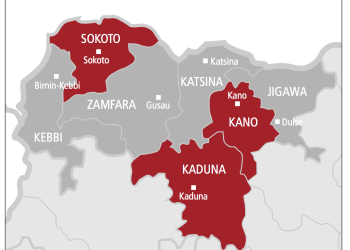
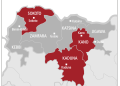
In the northern states, the tide of politics favours the APC after the ‘Buhari tsunami’, but there are still some battleground states, particularly Kaduna and Gombe states, where the incumbent PDP governors are likely to be unseated by the opposition APC. Other states where the quest to clinch power will be a tough one between the two major parties include Jigawa, Niger and Taraba.
Whatever happens, we appeal to the electorate, the Independent Electoral Commission (INEC) and the security agencies to ensure hitch free and violence free elections. The states governments have a major role to play in this effort, by ensuring that their citizens do not resort to violence at any stage of the elections process.