If the available evidence is any guide, foreign governments seem to have more resolve than the Nigerian authorities in confronting terrorism on Nigerian soil.
Foreign intelligence services identify terror financiers, provide actionable intelligence and, in some instances, even participate in eliminating high-value terrorist targets. Yet Nigeria’s response too often appears hesitant, inconsistent or altogether absent.
The latest example is the June 22 designation by the United States of three individuals and six entities accused of facilitating the finances of the Islamic State across Europe, the Middle East and West Africa.
One of the three suspects is a Nigerian allegedly operating from Nigeria through three bureaux de change linked to the movement of ISIS funds.
The obvious question is: what next?
This is not the first time a foreign government has publicly exposed Nigerians allegedly involved in financing terrorism.
On September 14, 2021, the United Arab Emirates published a list of 38 individuals and 15 entities designated as supporters or financiers of terrorism. Six Nigerians featured prominently on that list. They had already been investigated, prosecuted, convicted and imprisoned in the UAE.
Yet until former President Muhammadu Buhari left office in May 2023, there was no visible effort by his administration to seek their repatriation for prosecution under Nigerian law or to use their convictions to dismantle any domestic support networks they may have operated.
That was a missed opportunity.
The same pattern is evident on the battlefield. Until the reported mid-May killing of Abu-Bilal al-Minuki and several of his lieutenants in Borno, with acknowledged American involvement, the alleged second-in-command of ISIS globally was reportedly operating in Nigeria, despite repeated official claims that he had already been eliminated.
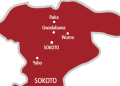
Last Christmas, American forces struck two ISIS camps in Sokoto. Yet the Nigerian authorities failed to build on that intervention.
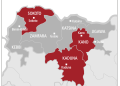
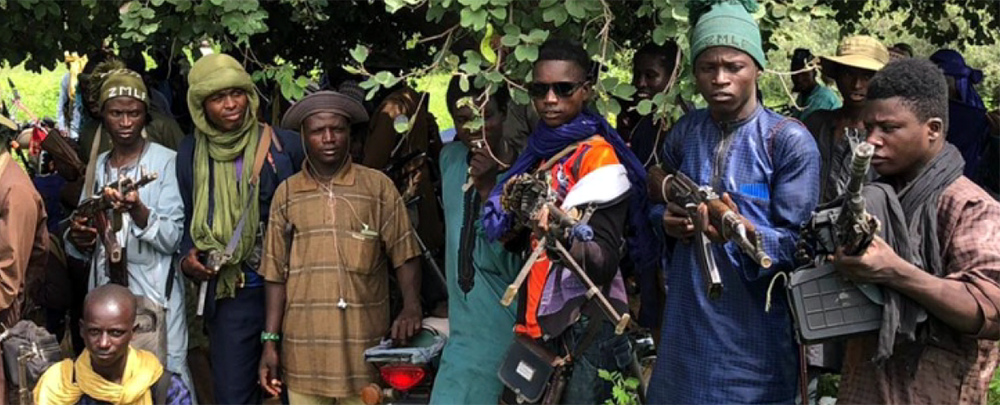
Instead of receding, terrorism has spread. Armed groups continue to terrorise communities across the North-West, devastate villages in the North-Central and increasingly threaten the South-West.
The US withdrew some of its troops from Nigeria last week.
More than 40 schoolchildren and their teachers abducted in Oyo State remain in captivity since May 15, a reminder that insecurity is no longer confined to the traditional theatres of insurgency.
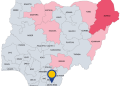
Against that background, the latest US terror list should trigger immediate action. The Nigerian identified by the US reportedly has a known address and allegedly operates three BDCs—one in Kano and two in Lagos.
At this point, the Nigerian intelligence and law enforcement agencies should swiftly investigate, interrogate and, where justified, prosecute the suspects.
What exactly are the intelligence agencies waiting for?
Terrorism survives because it is financed. Fighters require weapons, food, fuel, communications equipment and transport. Money moves through informal channels, commercial banks and cross-border transactions.
Illegal mining has also become a major source of revenue for armed groups across parts of Nigeria. A serious counter-terrorism strategy must therefore target the financial architecture of terrorism with the same determination used to pursue foot soldiers.
That means aggressively tracing financial flows, scrutinising suspicious banking transactions, regulating bureaux de change, disrupting illicit mining operations and prosecuting every financier and facilitator, regardless of social status or political connections.
Unfortunately, Nigeria often celebrates tactical victories while neglecting strategic ones. The Defence Headquarters regularly announces the neutralisation of scores of terrorists. Yet those who finance, recruit, arm, feed and protect them frequently remain untouched.
The ecosystem that sustains terrorism continues to function. Money crosses borders. Supplies reach forest camps. In some instances, bandit leaders have posed for photographs with elected officials while receiving promises of amnesty that ultimately produce neither peace nor justice.
The contrast with the US after the September 11, 2001 attacks is instructive. Osama bin Laden was pursued relentlessly until he was located in May 2011 in Abbottabad, Pakistan, and killed.
Al-Qaeda and its affiliates still exist, but their capacity to execute attacks inside the US has been dramatically degraded because every layer of the terror enterprise—not merely its gunmen—became a target.
Nigeria deserves no less.
The human cost of official lethargy is steep. Over the past five years alone, Boko Haram and ISWAP attacks have killed thousands of civilians and security personnel, injured many more and contributed to the continued displacement of more than two million people across the North-East.
Communities have been emptied. Farmers have abandoned their fields. Schools have closed. Children have grown up knowing little except fear and displacement.
Africa’s most populous nation shouldn’t resign itself to such a fate.
The publication of the American terror financiers list should therefore spur Nigeria into decisive action. Every allegation must be thoroughly investigated. Every suspect must face due process. Every financial channel supporting terrorism must be dismantled.
The question is no longer whether Nigeria possesses enough intelligence to act. Foreign partners have repeatedly demonstrated that such intelligence exists.
The real question is whether there is the political will to use it before terrorism claims even more territory, more communities and more innocent lives.