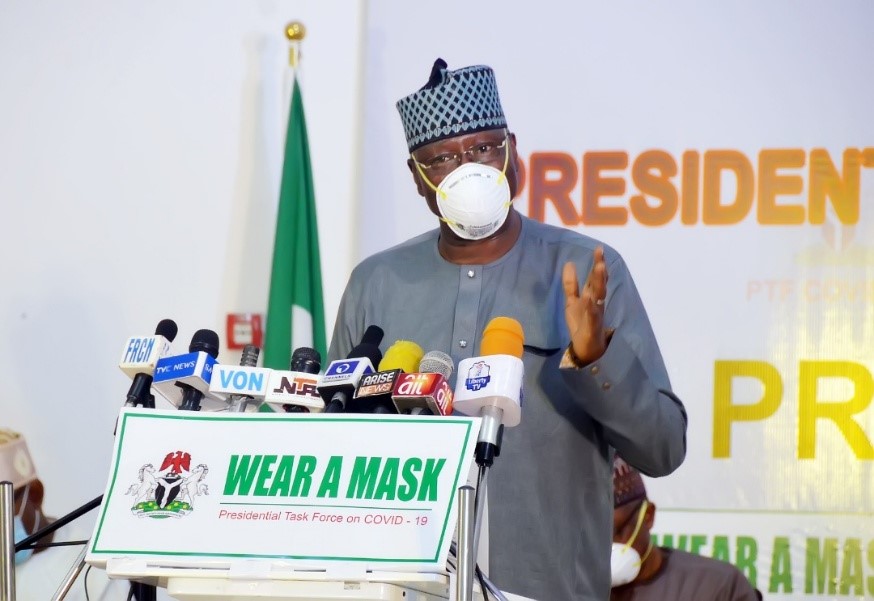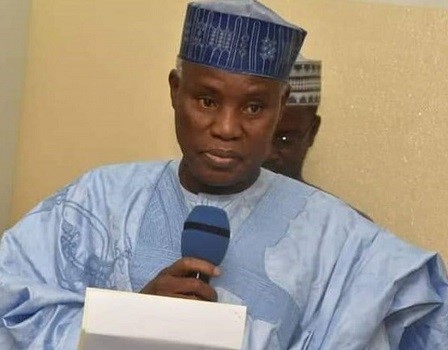
The Minister of Defence, Bashir Magashi, has lamented that Nigeria’s military is too understaffed and underfunded to tackle the various security challenges facing the country. He made this lamentation while briefing journalists after a Federal Executive Council (FEC) meeting where he said he had made a presentation on the security challenges facing the country. According to him, “We talked about manpower shortage, inadequate funding for the Ministry of Defence. We talked about all the operations we have been conducting, the successes and failures of each of the operations right from Operation Lafia Dole to Operation Tawase…I think in no distant time, there will be a change in the conduct of our affairs in the Ministry of Defence.”
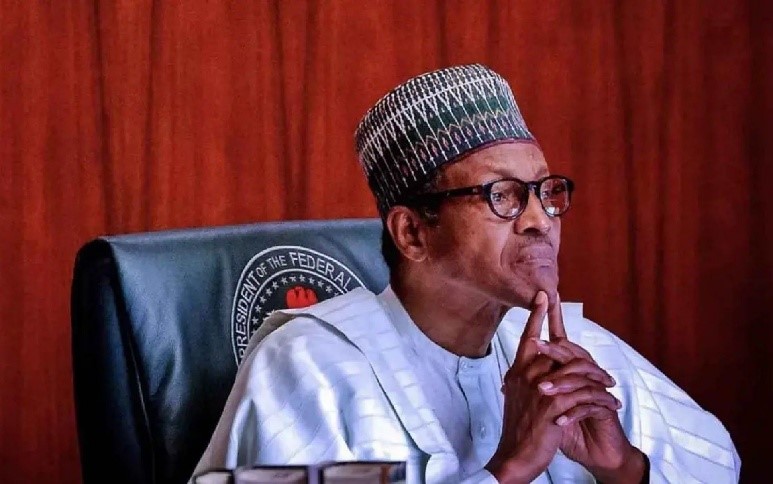
It is not clear what the press briefing was supposed to achieve. Does the minister want Nigerians to prevail on the FEC to address the situation or is it a justification to further increase the budgetary allocation to the defence sector? If the military is short of manpower, was the minister not expected to have explained the reasons for the situation to the FEC and provide options for addressing it? Despite his claim of low funding for the military, the defence sector has for the past five years taken a large chunk of Nigeria’s budget, often larger than education and health. Over eight per cent of the 2020 budget, which is about to be amended, was allocated to defence. This is about N878 billion of the 10.59 trillion budget. About a year ago, President Muhammadu Buhari approved the release of $1 billion to boost the military’s efforts in the ongoing counter-terrorism battle against Boko Haram. The issue is that the penchant for officials of the Ministry of Defence and military leaders to complain about shortage of funds has not been matched by concern about waste and corruption in the military. Evidently, without addressing issues of corruption and mismanagement, the defence sector will become a sinkhole for public funds.
A report by the African Centre for Strategic Studies and similar studies by scholars have shown that there is a culture of impunity in the military with regard to the management of resources. The series of investigations by the current government, by special committees or the Economic and Financial Crimes Commission (EFCC) on the operations of the defence sector have also buttressed this view. These have revealed that the military usually buys refurbished equipment or cannibalizes existing systems for parts. Arms and equipment are “budgeted and paid for, but they never get to the frontlines either because they are diverted to the black market or because the money actually goes into a procurer’s pockets.” Time and again, the rank and file on the frontlines complain of inadequate training, poor living conditions, poor equipment or pay. There have been several cases where allowances of military men on the frontlines have been diverted by officers, leading to low morale within the rank and file. The hollowness of the military as a result of these deplorable culture of mismanaging military finance has manifested in its poor performance in addressing the security challenges of the country, especially the Boko Haram insurgency.
We call on the Minister of Defence, the leadership of the military and the Presidency to begin to address the issues of accountability and financial management in the military. There is a need to re-professionalise the military with strong oversight, administration and accountability across the entire defence sector. The presidency must monitor and evaluate the capacity of the military and encourage local production of basic military items. It is not news that the Defence Industries Corporation of Nigeria (DICON) has not justified the huge resources invested in it. Curbing corruption and improving accountability requires that officials that were indicted in previous probes be sanctioned. The EFCC should be given a stronger mandate to investigate corruption in the defence sector while the National Assembly strengthens its oversight activities within the defence ministry and the administration of the armed forces.
Furthermore, the problems of the defence sector cannot be addressed in isolation. This is the case because of developments in the nature of the security challenges which call for greater collaboration between the military and other security agencies. A clearly defined and comprehensive framework for strengthening national security and cooperation among all security agencies is necessary to ensure synergy. Part of the problem is that the military is overexposed to police duties and this overexposure has confounded its readiness for its primary duty as an effective and decisive defence instrument.