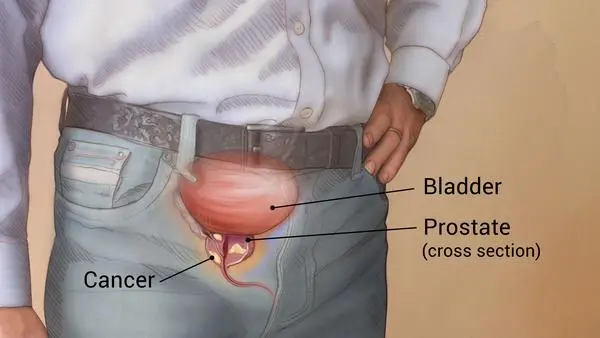
Dozy Mmobuosi Foundation has bemoaned the prevalence of prostate cancer among men, saying it is black men number one killer.
According to the foundation, the disease has become a public health concern because one out of eight men end up with prostate issues and one out of 38 die from it.
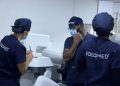
Speaking at the organisation’s 2023 Annual Prostate Cancer Awareness Walk in Lagos, weekend, Business Development Head of the foundation, Toyin Ayodele, emphasised the need for men to get tested annually, saying when prostate cancer is detected early, it is easier to cure.
She said: “The walk is to create more awareness for prostate cancer because people don’t really know that it is the number one killer of black men. In view of this, we are creating more awareness, talking about it, making noise and screening men for free so that they can be aware that there is this type of disease and what they should do when tested positive.
“Men need to get tested yearly. If you are 40 and above, it is important to know your status. It is also important that you do your tests regularly, and take it from there because when it is detected early, it can be cured. We used the walk to talk to the people of Lagos, create awareness and to screen people for free.”
A Senior Registrar in the department of Urology, Lagos State University Teaching Hospital, LASUTH, Adebowale Oyebade, said the disease is one of the commonest cancers in men, adding that it is the second leading cause of death in men.
He said: “It is not just about men because whatever affects the man, affects the spouse, family and children. It is more of a public health concern. It is the second leading cause of death in men. For them, it is expected that in their lifetime, one out of eight will end up with a prostate issue and one out of 38, will die from prostate cancer.
“With early detection, it helps you to be able to achieve a cure for the disease. It also helps to reduce the financial burden on family and the individual. Everybody has a special day in their life, which is their birthday. They should try to get screened two or three days after their birthday.”