Director-general of the Debt Management Office (DMO) Dr Abraham Nwankwo recently announced that the country’s current public debt portfolio, both domestic and foreign, stood at N10.5 trillion, compared to about N10 trillion in December 2013. Our domestic debt stock, he said, stood at N8.9 trillion while its external component was valued at $9.38 billion. Given the fact that Nigeria’s debt to gross domestic product (GDP) ratio remained low at 12.51 per cent after the recent rebasing, Nwankwo surmised that it allows for more capacity to borrow. He added, however, that we could not afford to borrow without adequate precaution.
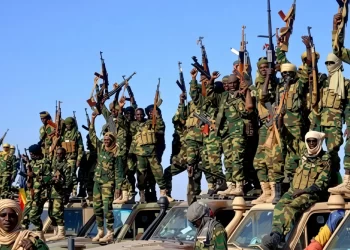
The caveat is true but the argument of sustainable debt is hollow. Only last month, President Goodluck Jonathan asked the National Assembly to approve a $1bn external loan to fight insurgency, even as 25 per cent of the federal budget is for security. We are borrowing $3 billion in Chinese loans to build some unnamed infrastructure and finance minister Dr Ngozi Okonjo-Iweala estimates that Nigeria needs $10 billion a year of investment to improve infrastructure like roads and electricity from sundry sources like the World Bank, Africa Development Bank, Islamic Development Bank, Exim Bank of China and Indian Lines of Credit.
In the light of this, can the nation sustain its economic growth at 6-7 per cent with mounting debt? State governments are equally out-pacing each other in the mad rush for bonds and external loans. What these show is a dearth of creative thinking to fund the nation’s development.
We recall the euphoria that greeted the 2005 “debt forgiveness” from the Paris Club of creditors negotiated by Okonjo-Iweala and how the country’s revenue base was immediately raised to $62bn. Nine years after, it seems the country is drifting surreptitiously into the treadmill of the comity of debtor-nations again.
The nation’s leaders should know that heavy indebtedness is a signal to the world financial community that the country is an investment risk. It means we are unwilling or unable to pay our debt or hope to approach creditors to grant debt forgiveness at the slightest opportunity. We note that impoverished countries are either cut off from the international financial markets or pay more for credit. The debt crisis is further amplified by decaying health system, declining productivity in the manufacturing sector, extravagant and wasteful lifestyles of our disconnected political leaders and myopic macro-economic policies. Although public financing uses public debt as one of the instruments of financing government expenditure, its misuse has huge social and human costs. It leads to decline in the country’s external assets, and decline in the aproductive capacity of the national economy with all its attendant effects on macro-economic environment.
Mounting debt profile is a national yoke and a burden on future generations of Nigerians. With this in mind, we urge the political leaders to rethink their frenzied urge to resort to borrowing, especially as facts on ground do not justify it.