A mixed bag of success and hiccups attended the mock accreditation of voters the Independent National Electoral Commission conducted in 12 states of the federation last Saturday, which put the card readers to test ahead of the March 28 and April 11 elections. The varied outcome of this precursor must make Attahiru Jega, the INEC boss, to put on his thinking cap. By and large, the experiment achieved its main goal of ensuring that only those with authentic voter cards took part in the election.
However, the verification of voters left a sour taste in the mouth. While fingerprints were verified in some states in a matter of seconds, some delays were recorded at many polling units, just as outright rejection of fingerprints of voters already authenticated were rampant.
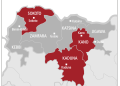
The states of Anambra, Ebonyi, Ekiti, Lagos, Delta, Rivers, Kano, Kebbi, Niger, Nasarawa, Bauchi and Taraba were used as the guinea pigs. In Anambra State where voters’ fingerprints rejection was very much pronounced, the state Resident Electoral Commissioner, Edwin Nwatarali, attributed it to dirty or greasy fingers. He said, “We, however, overcame that by making the voters to wash their hands and cleaning them properly before coming to thumbprint.”
The mock test of the card readers and manifest challenges are welcome developments. If they had not cropped up now, only to appear on Election Day, the impact would have been most telling. After Jega’s meeting with the RECs to appraise INEC’s overall readiness for the polls, the country expects from them comprehensive remedial strategies to lapses observed in the test run. The introduction of “incident form,” which every voter with an unverified fingerprint will fill and then be allowed to vote, is absolutely essential.
As INEC firms up its contingency plans with the procurement of 35,000 back-up batteries for the card readers and 20,000 back-up card readers, there is also the overarching need to educate the voters, through public enlightenment campaigns, to keep their thumbs clean and dry. Also, people need to be informed that a fully charged card reader functions effectively for 12 hours. This quality has to be certified before each of them is issued for the ballot to avoid the Ghana effect – battery failure.
Before now, INEC had successfully carried out a mock test in the Senate chambers, following doubts in some quarters about the card readers’ efficacy and plots against their deployment for the polls. Earlier, the commission had demonstrated their efficiency before the political parties, which had acquiesced to their procurement at a stakeholders’ consultative engagement. INEC had acquired a total of 182,000 card readers, which were tested upon delivery.
Apart from the authentication and verification of a voter’s fingerprints with the code on the chip of the card, the device keeps a tally of all cards read and verified, and the time operations occurred. As Jega had stressed, “information (from the card reader) can be sent to a central server using an SMS. The stored information will enable INEC to audit results from polling units…”
Anything that would guarantee the integrity of our electoral process should be adopted. This point cannot be overstressed. We dare say that only those who want the country to remain enslaved to its odious past of electoral malfeasance will oppose the use of card readers for this year’s polls. Votes of the people must be made to count. Therefore, Nigerians should not leave the transparency of the elections in the hands of INEC alone.
To ensure this requires that every citizen should piously discharge his or her civic obligations before, during and after the elections by observing electoral rules and exposing acts of subversion to our law enforcement agencies. Nigerians should not be distracted by the bile and muckraking that have characterised the build-up to the elections, but should remain focused on electing those who will not fail them at all levels.
Despite past financial and logistic support of the United Nations Development Programme, European Union and other development partners for our elections, they have always ended up as farce. But this is the time to get it right as Ghana, Kenya, Mali, Cote D’Ivoire and Cameroon, among others, have done.
The card reader device being opposed here by those accustomed to rigging was used in these countries. In Ghana’s 2012 election, for instance, it recorded serious hitches. At some polling stations, it failed and voting was extended to the following day. Eventually, the country was able to pull through. “Among the decisions we have taken with the political parties is – ‘No verification, no voting’,” Afari-Gyan, Chairman of Ghana’s Electoral Commission, said, as he appealed to the patriotic conscience of his people.
Nigeria needs to learn a big lesson here. No sacrifice is too much in consigning electoral fraud to the footnotes of our history.
However, INEC’s administrative laxity, exemplified in the late distribution of permanent voter cards for elections whose preparations began four years ago, should end with that. Interestingly, the commission has never complained of any cash crunch. Therefore, improving its logistics will stop the perennial nightmare of delivering ballot materials late to voting centres.
Jega, whose five-year term ends on June 30, should install logistics and administrative machinery that will guarantee the success of the elections, despite mounting political landmines laid against it. That will certainly be a fitting epilogue to his troubled tenure.