The display of excessive force by the military in relations with the civil populace is unacceptable
One mark of a professional military force is to display civility in dealing with non-combatants
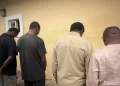
Apparently disturbed by the front-page photograph in Daily Trust newspaper of some soldiers flogging an alleged robbery suspect and asking the stripped down suspect to roll in an open gutter, the National Human Rights Commission (NHRC) has requested the Nigerian Army to handover those involved. “These acts are not only barbaric but also condemnable in a civilised and democratic society,” said the Executive Secretary of the commission, Professor Ben Angwe.
At a time global attention is on our soldiers for some alleged human rights violations, the graphic photograph cannot in anyway be helpful to the defence being put out by the military on the charges against them. Unfortunately, while the army admitted that culprits have been identified, its statement sounded both defensive and provocative at a time the authorities should be making it clear that they would not condone abuses, lawlessness and impunity among members of our armed forces.
We commend the courage and professionalism of the newspaper that published the photograph as an act of public service. It is also a patriotic decision. We recall that in one of its damning reports on the operations of our military last year, Amnesty International had raised a serious alarm that “there is a vicious cycle of violence currently taking place in Nigeria”, and that “the Nigerian people are trapped in the middle”.
Since the said photograph is now a subject of investigation, we hold our judgment until the authorities can bring the culprits to justice. What should not be lost on the military authorities, however, is that because these gross violations of human rights are hardly censored, a culture of impunity is fast becoming the order of the day.
We are not unmindful of the efforts of our military and the sacrifices they make. From kidnapping through oil pipelines vandalism to armed robbery, Nigeria is today challenged on several fronts. And as crimes become prevalent, several military personnel are now being deployed to assist the police in securing the peace. However, because of their operative rules and with insufficient training for their new roles, it is no surprise that there have been cases where the military evidently overstepped their bounds and engaged in activities that highlight conflicts between them and the civil populace.
Unfortunately, these infractions will continue for as long as we have internal security challenges that necessitate the drafting of soldiers onto the streets. The police remain weak and ineffective while the nation lacks an intermediate force like a National Guard to deal with counter insurgency. Yet there can be no excuse for the excessive use of force that is fast becoming a daily fare by the military.
One mark of a professional military force is to display civility in dealing with non-combatants. Draconian cruelty should not be the defining badge of our military in relating to the civil populace. Unfortunately, the history of the Nigerian military from the civil war to the present is almost an unbroken tale of brigandage – of killings and casual torture. Kalakuta, Odi, Zaki Biam are sad reminders. Happily, President Muhammadu Buhari has recognised the need for a re-training programme. The rudiments of human rights observance must form part of this programme.
We hope the political authority in the country would take practical steps to remind the leadership of the military of their obligations to citizens, especially in a democracy. The lesson that should be learnt from other jurisdictions with similar challenges to that of our country today is that if there is no cooperation with the civil populace, vital information that ought to assist in the detection of crimes would be withheld. And in such a situation, we are all losers.