


Despite increasing economic hardships faced by many Nigerians, the latest wealth report by Forbes has indicated that the number of millionaires in Nigeria is expanding at a dramatic pace.
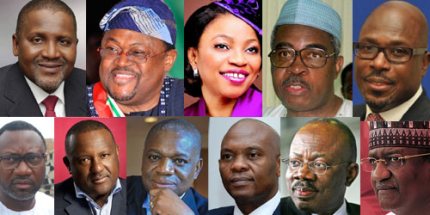
Forbes wealth report had put total wealth of top 15 wealthy Nigerians at about USD36 billion (about N7.2 trillion).
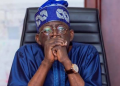
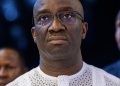
The top 10 list includes Aliko Dangote, Mike Adenuga, Folorunsho Alakija, Femi Otedola, Abdulsalamad Rabui, Theophilus Danjuma, Orji Uzor Kalu, Tony Elumelu, Jim Ovia, Mohammed Indimi and Tunde Folawiyo.
Also it said in the report that millionaires list in Nigeria has risen to 15,400, about 305 per cent from 5,000 recorded in year 2000, when the last study on wealthy was conducted. Their combined networth is about USD150 billion (about N30 trillion). Global Wealth reporters are calculated on legitimate and registered assets within the tax net.
Though Nigeria was rated high in general economic performance emerging the largest economy in Africa, according to the ranking parameters, the 305 per cent growth rate in number of millionaires puts the country fourth position in Africa behind Angola, Ghana and Zambia which came first, second and third with percentage growth rate in number of millionaires at 482 per cent, 440 per cent and 400 per cent growth respectively.
However the number of millionaires in these countries are far less than in Nigeria with Angola, Ghana and Zambia recording 1500, 2700 and 1000 millionaires respectively.
Moreover the continents economy powerhouses Morrocco, South Africa and Algeria took distant back positions in rate of growth in number of millionaires in the continent coming 15th, 12th and 8th respectively. However the number of millionaires in these big econmies are still far much more than other countries with South Africa in predominance at 46,800 millionaires.
‘’Though huge parts of Africa remain locked in extreme poverty, it’s impossible to miss the emergence of ultra-wealthy individuals’’, the report stated.
New World Wealth defines High Net Worth Individuals (HNWI) as people with net assets of USD1 million and above.
Overall in Africa, the number of HNWIs has risen by 145 per cent over the period, while the world in general has seen an increase of just 73 per cent.
New World Wealth provides information on the global wealth sector, with a special focus on high growth markets. Agency report














Only a tip of the iceberg. All these thieves that have milked Nigeria dry are not there. Among people in this list Theophilus Danjuma, for example, is riding on the crest of corruption occasioned by corrupt acquisition of oil blocks. That is the source of his money. He just sits there and money from the oil blocks flows to him.
I dont have a problem with the people and the figures. My problem with them is how they see heavy poverty in the lives of their people around them and they are still comfortable.
Most, if not all, of the names on this list are folks whose sources of wealth are dubious. Dangote enjoys a federal government of Nigeria (FGN) backed monopoly on imports of lots of goods and services — a monopoly not tolerated by any true capitalistic economy. Without this monopoly, which in the US would be considered antitrust (a crime), we would not know if Dangote would have become a millionaire. Danjuma enjoyed unqualified patronages from his military subordinates who took turns ruling Nigeria from 1984 through 2007. It is doubtful that he would have been wealthy were he not allowed to almost do whatever he wanted, as a businessman, through the instrument of the FGN. Alakija, we have been told, was a hairdresser who was rewarded with oil blocks by the military tyrants of Nigeria who had crushes on her. All she did to become a billionaire was sell the oil blocks to foreign oil company prospectors. Orji Uzor Kalu had been wealthy since he was in his 20s but rumor has it that his wealth had been tremendously frittered away by the time he became a governor. In other words, had he not become governor of Abia state (for eight years) and revamped his companies with the state’s resources, it is doubtful that his name would have made it into this list. Similar stories or rumors swirl around almost all of the rest of the names. If these rumors are true, then these are not millionaires worthy of celebrating. Whether they pay their true share of taxes to the different governments of Nigeria is another matter that should be left alone for now.
Whatever is the correct story, let us hope that these millionaires, henceforth, become better human beings and true citizens of their country through the manner that they dispense of their wealth. They should learn one or two things from Warren Buffet, Bill Gates, et al.