By Gambo Dori
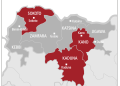
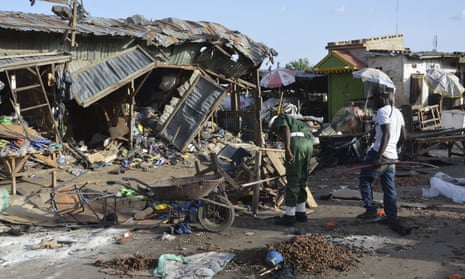
The tragic events in Maiduguri on Monday last week that saw simultaneous suicide bombs going off at iftar time, killing several and maiming many, were a culmination of a choreographed series of attacks by the infamous Boko Haram insurgents. The onslaught began a few weeks ago from the fringes of the state, from Cross Kauwa, around the shores of Lake Chad, then moved southwards to Pulka and Ngoshe on the Gwoza Hills, and westwards to Mandagarau near Biu. With the benefit of hindsight, one can surmise that these attacks were strategic, as they targeted military barracks, which they ransacked and looted, resulting in the loss of lots of military hardware.
In the ensuing melee, the insurgents succeeded in killing many of our soldiers, including five commanding officers. When the insurgents subdued the Ngoshe barracks, they recorded a video message in situ, which went viral. In the video, their spokesman, surrounded by heavily armed henchmen, speaking like the killed Boko Haram leader, Shekau, delivered a bellicose message that they were coming to capture Maiduguri en route to Abuja. For the uninitiated in these matters, their threats sounded hollow. However, their message began to ring true early Monday morning last week, when residents of Maiduguri were awakened by heavy gunfire from the south-western parts of the city.
Maiduguri was clearly under attack coming from the Ajilari-Cross side. A combined effort of our soldiers and the civilian JTF successfully repelled the attacks. The determined insurgents returned hours later, sending small children as suicide bombers to parts of the city with devastating consequences. In many parts of Borno, these tragic happenings are fast becoming routine. It has been 17 long years since this calamity in the guise of Boko Haram afflicted the society. The people have helplessly been crying for help without let, so much so that their eyes are running dry. In due course, there may be no more tears to be shed.
The political leadership in the state have always expressed their helplessness in the face of Boko Haram attacks. More than wringing their hands in exasperation, they can only continue to press on the president to do the needful. I recall a day in January 2019, in the last few days of his tenure, Kashim Shettima, then Governor of Borno State, led a delegation of Borno dignitaries, including all the state members of the National Assembly and traditional rulers to pay a visit to President Muhammadu Buhari, to discuss a one-point agenda: how to arrest the carnage perpetrated in the state by the resurging insurgents then taking over northern Borno.
Most of the security chiefs were in attendance. One who attended intimated me that Kashim Shettima, as leader of the delegation, was at his eloquent best that day, briskly recounting to the president the continuing calamity that had befallen Borno. He painted the picture of a state that was rapidly being overrun by the brutal army of the insurgents and the reduction of a large portion of his citizens to the indignity of a beggarly existence in IDP camps. Baga, a major trading centre on the shores of the Nigerian side of Lake Chad, had fallen to the insurgents.
Hundreds of thousands were running from there and the surrounding towns, including Kukawa, and streaming into Maiduguri IDP camps. Many in the delegation were taken aback when, at one point, Kashim Shettima’s voice broke, clearly overwhelmed with emotion, and tears streamed down his face. President Buhari, flanked by his stony-faced generals, were nonplussed. Still, the point must have registered – that the political leadership in Borno, deprived of the required authority, was totally helpless.
To his credit, President Buhari acted swiftly, bringing the situation under control. But it became an outward sort of peace. The towns were garrisoned and appeared peaceful, while the rural areas became ungoverned spaces, subject to insurgent attacks. The insurgents merely ran and occupied the many islands surrounding Lake Chad and, from that base, ceaselessly harassed northern Borno. Some of them colonised the Gwoza hills and parts of the Mandara mountains. From that elevation, they made life difficult for those below, including Ngoshe, Pulka, and Hambagda, as far as Bama. Plenty of them are still holed up in the Sambisa Forest, menacing a large area from Biu to Goniri, in Yobe State, down to Damboa, from where they made the occasional forays into Maiduguri.
The expectation had been that Governor Kashim Shettima, who had transitioned to a Senate seat in the 9th National Assembly and is now the vice president, would do more to help. He has borne the brunt of their attacks while governor and has fearlessly spoken for his harassed citizens at their lowest moments. As governor, he had to follow protocol to see the president, and while in the Senate, he had to ask the presiding officer for permission to speak. Now he is where the action is, and the presumption is that he must be seen to be doing more for his troubled part of the country.
However, one must acknowledge that, given the President Obasanjo/Vice-President Atiku debacle during their tenure and the difficulties successive vice-presidents have had in asserting themselves, one would be expecting too much of the incumbent. Nevertheless, Governor Babagana Zulum might have to consider undertaking a similar trip to underscore the urgency of the situation to President Bola Ahmed Tinubu.