


If nothing is done to contain the spread of the deadly Ebola virus in Nigeria by December this year, the nation’s economy may lose $3.5bn.
This is according to the Chief Executive Officer, Financial Derivatives Company Limited, Mr. Bismarck Rewane, who stated this in the firm’s latest report obtained by our correspondent on Friday, where he stated that the fear of the disease had affected economic activities significantly.
“Analysing these sectors’ contribution to the Gross Domestic Product shows that Nigeria may lose about $2bn in the first quarter of the outbreak. The chance of the outbreak going into a second quarter is very slim; which could extend the loss to $3.5bn.
Rewane said that a small part of the Nigerian economy was already benefiting from the Ebola scare. These include shop owners selling sanitisers.
He, however, said a larger part was experiencing losses.
“Air transport was 0.09 per cent of Nigeria’s GDP in the first quarter and the second most used this means of transportation after road. Since the outbreak of Ebola in West Africa, several airlines including Arik Air, Asky, British Airways and Emirates have suspended flight operations to and from any of the Ebola affected countries.
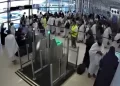
“Saudi Arabia also suspended giving out visas to Muslim pilgrims from West African countries. Serious screening for Ebola has also begun at several international airports before passengers are allowed to board an airplane. We expect revenues in the aviation sector to plunge downwards, which would affect both the airlines and the support industry (handling companies, oil marketers, catering, duty free shops, etc.).
“Hospitality and tourism preliminary information shows that many hotel and airline bookings in Lagos have been cancelled by in- bound travellers due to Ebola scare. This is not surprising since India and Greece have openly advised their citizens to avoid non-essential travel to Nigeria and other Ebola-affected countries. It is estimated that restaurant visits in Lagos have already declined by 50 per cent.
“Trade in the first quarter contributed 17.35 per cent to Nigeria’s GDP. Trade and investment flows are critical to the external sector of this vibrant country and the West African region. The region enjoys almost a custom union with common external tariff and movement of visitors without visas. Since movement of people is restricted in and out of the affected regions, fewer goods will be equally transported. Air transportation is very critical to trade.
“Hence, a reduction in the number of international flights literally means a reduction in international trade flows. Domestic trade is also likely to be negatively affected significantly if the disease spreads,” he stated.
































Lagos is the commercial hub and economic capital of Nigeria. Anything that affects Lagos MUST cascade down to the other states of the federation. Therefore the FG must save Lagos to avoid the imminent loss of investment inflow