Employing subterfuge, some Nigerians are unrelenting in smuggling hard drugs into Southeast Asian countries. Showing concern about this, the Malaysian authorities have again just issued dire warnings that 40 per cent of the foreigners being arrested for drug offences are from Nigeria. So far, 30 out of the 80 foreign students arrested this year are Nigerians. In a country where drug trafficking attracts the supreme retribution, this is a deadly enterprise that must be stopped.
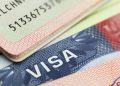
In their desperation, these Nigerians are disguising as “university students,” colluding with the drug syndicates there to undermine the visa system and gain entrance into Malaysia. On reaching there, they abandon the pretence of going for studies, and get busy with their illegal business activities, trading in opiates, cocaine, heroin, cannabis and amphetamines. “The colleges have been told to keep a lookout for those who sign up for courses and don’t turn up,” the police said. Many of the suspects were caught during raids in rented apartments, where they were found guarding drugs. In all, 6,293 foreigners have been arrested in 2015, and drugs and assets worth millions of dollars seized.
The involvement of Nigerians in this dangerous enterprise is tarnishing the image of the country. Our nationals are viewed with suspicion and subjected to demeaning treatment at airports across the world as a result. This should prompt the authorities into a strategic action to curb the menace of drug couriers and their sponsors.
Last April, Indonesia, another Southeast Asian country that imposes the death sentence on drug traffickers, executed four Nigerians despite pleas for leniency by Nigeria, the United Nations and Amnesty International. The four were among the 11 Nigerians facing execution for drug offences. In spite of this, some desperate Nigerians are not deterred. According to newspaper reports, the case for leniency was rendered impotent because, at that point, seven fresh cases of drug trafficking involving Nigerians had just emerged in Indonesia.
Apart from the cases in Malaysia and Indonesia, at least one Nigerian is on the death row in Singapore for drug-related offences. But the situation in China, which also punishes drug trafficking with the death penalty, is alarming. Two Nigerians were executed in China in April, but 120 other Nigerians are on the death row for drug-related offences, with 74 of them being held in Guangdong and Guangxi provinces. Harm Reduction International, a United Kingdom-based NGO, said 33 countries impose the death penalty for drug offences.
The lure of Asia is that it is a lucrative hub of the illicit global drug trade, producing one-quarter of the world’s heroin, according to the United Nations Office on Drugs and Crime. Southeast Asia is at the centre of the methamphetamine trade. This generates a lot of money for drug syndicates. They use these resources to infiltrate security agencies and recruits who bring in untold riches that they want to protect by all crooked means.
The UNODC estimated that in 2014, the illicit global drugs trade was worth $4 trillion. The UK Home Office reckoned that the trade was worth between £4 billion and £6.6 billion a year in that country. Drugs are now traded online, with groups transporting them through containerised consignments, maritime shipping, air courier and postal shipments.
Yet, the implications of the trade are staggering. “Drug syndicates are destroying the lives of others,” said Malaysia’s narcotics criminal investigation department chief, Mokhtar Shariff. He is right. The UNODC reported that there were 183,000 drugs-related deaths worldwide in 2012, with drug-dependent users rising to about 39 million. Drug use is closely linked to violent crimes in many parts of the world, Nigeria inclusive. In the UK, it costs £16 billion a year for criminals to sustain their cocaine and heroin habits. The International Crisis Group, a global NGO committed to ending deadly conflict, said the prevalent violence in Central America had a strong link to the drugs trade in the Honduras-Guatemala border. In the 1990s, the Federal Bureau of Investigation said five per cent of the murders in the United States were drug related.
Indeed, Honduras, through which 77 per cent of the cocaine meant for the US passes, has the highest rate of murder in the world. The drug-related violence in the Americas is telling on Ecuador, which has been made to absorb 300,000 Colombian refugees fleeing from guerrillas and entrenched drug lords. According to the Africa Economic Institute, the drugs-smuggling trade in Guinea-Bissau is almost twice the value of the country’s Gross Domestic Product.
The scenario in Nigeria is also unnerving. In a 2012 report, the International Narcotics Control Board said that Nigeria, as a transit point for cocaine from Latin America destined for Europe, topped the list with the highest trafficking and drug use in West Africa. It said that 50 per cent of Africa’s drug couriers arrested in Europe in 2011 were Nigerians.
To prevent Nigeria from becoming a country where drug cartels call the tune and destabilise the state, the government should restructure the National Drug Law Enforcement Agency, while the National Assembly should tighten the law on drug offences. Although the NDLEA made 339,968 arrests in 2013, 205,373 of the offenders were nabbed for cannabis. Not surprisingly, the NDLEA conceded that it was enfeebled in fighting drug trafficking by “poor logistics, including operational vehicles, surveillance equipment; inadequate intelligence gathering capability; and lack of database.”
Thus, the NDLEA staff strength, which stood at 5,150 in 2013, should be beefed up. It is pertinent for the government to focus on the courts, some of which have been accused of granting bail on liberal terms and meting out light sentences to drug traffickers. Our judges must be made to join in the crusade by handing down severe penalties upon conviction. The National Orientation Agency and NGOs should embark on a sustained awareness programme in the mass media to warn our youths of the dangers of smuggling drugs at home and abroad.