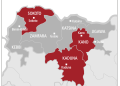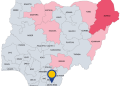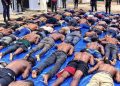
The Kogi and the Bayelsa state governorship elections held on November 16, 2019 will go down in the annals of election in Nigeria as one of the most violent elections in the Fourth Republic. There were many instances of violence, ballot snatching and intimidation during voting. About 30 ad hoc staff engaged for the 2019 Kogi governorship election and posted to polling units 002, 006 and 013 at Olamaboro III; and polling units 006, 012, 015, 016, 022 at Imani in Olamaboro Local Government Area were initially reported missing due to violent attacks by some armed thugs at their duty posts. A few days after the election, precisely Monday, November 18, Salome Abuh, the Peoples Democratic Party (PDP) woman leader in Ochadamu ward, Ofu Local Government Area of Kogi State, was set ablaze and burnt to death in her home by political thugs who shot sporadically to scare people away from rescuing her. The Centre for Democracy and Development (CDD) reported that there were 10 deaths and 129 cases of violence and electoral crimes in the polls in Kogi and Bayelsa states. Thus, before, during and after the elections, the two states were engrossed in violence that are related to the elections. The significance of the elections-turned war is disquieting when it is realised that the violence occurred in spite of the deployment of about 60, 000 officers and men by the police and other security agencies to secure the states for the elections.
Virtually all election observation groups reported that the elections were marred by violence. Some of them have called for an outright cancellation of the election in Kogi State. The diplomatic watch group, which includes teams from Austria, the European Union, Germany, Ireland, the Netherlands, the United Kingdom and the United States reported widespread incidents of violence, intimidation, fatalities and missing people during the elections. The Youth Initiative for Advocacy, Growth & Advancement (YIAGA Africa) called on the Independent National Electoral Commission (INEC) to conduct a new election in Kogi State following reported cases of violence, vote-buying, and manipulation of voters. YIAGA declared that the election in the state did not reflect the preferences of voters because voters were not able to freely exercise their right to vote.