It is time the military looked into why soldiers are rebelling against authority
In recent weeks, no fewer than 70 soldiers have been sentenced to death for mutiny, negligence and cowardice as well as for protesting alleged non-payment of salaries and allowances. Similarly, hundreds of soldiers are currently standing trial in Abuja, Jos and Lagos for the same offences that have serious implications for the war against the Boko Haram insurgency. To the extent that no self-respecting military authority will condone such wilful rebellion among its rank and file, we understand the basis for the verdict of those convicted and the trial of others. However, the frequency of mutiny cases points to a systemic problem within the Nigerian armed forces that has to be addressed.
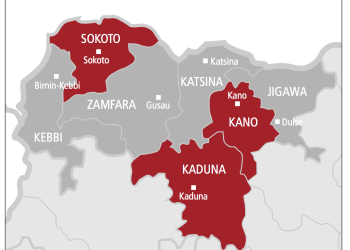
A fortnight ago, 54 soldiers from the 111 Special Forces battalion attached to the 7 division of the army in Maiduguri were sentenced to death. They were accused of disobeying an order from superior officers to take part in an operation aimed at dislodging the Boko Haram insurgents from Delwa, Bulabulin and Damboa in Borno State. In their defence, the soldiers said they mutinied because the authorities did not provide them with the required combat and support equipment needed for such operations. Three months earlier in September, 12 soldiers were sentenced to death by firing squad for shooting at a car conveying their commanding officer, Ahmed Mohammed, a Major General who has been compulsorily retired from the military.
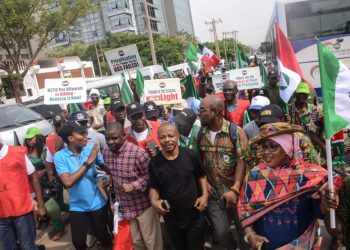
While the tribunals have been handing down the weightiest punishment prescribed by military law, not a few Nigerians feel that the soldiers might have some grounds for complaining about their welfare. The sentiments of those opposed to the death verdict are perhaps better expressed by the Trade Union Congress (TUC) whose president, Bobboi Kaigama, said: “Our position is that the federal government and the military leadership should look into the grievances of soldiers, especially now. We say no to death sentence because we cannot afford to lose more soldiers.”
For sure, the battle to contain the Boko Haram insurgency has been difficult. Until lately, the insurgents were carrying out their grisly atrocities particularly in the Northeast, at will. And the feeling out there was that if the insurgents were causing such murderous havoc, then it stands to reason that our armed forces were not doing well enough. This was further accentuated by reports of shortage of vital supplies in the frontlines – from ammunition to food, complaints that can do a lot of damage to anyone’s morale. Notwithstanding these challenges, soldiers cannot take the laws unto their own hands as there are procedures for dealing with such issues.
Therefore, mutiny by soldiers, especially in a time of war, should never be justified under any circumstances and we condemn attempts by any politician or political organisation to give a seal of approval for what the soldiers did. It must be understood that the essence of the action taken by the military authorities is to avoid a systemic collapse of rules and discipline within the armed forces. However, whatever the final verdict, we also stand with those who argue that killing the soldiers would not serve any useful purpose. It is therefore our hope that the military authorities will temper justice with mercy.
Beyond that, there is an urgent need to face up to the question of what is making the soldiers to mutiny in the first place. The point here is that if the issues of welfare and trust in their commanders are not addressed, we cannot win this war against the insurgents. While killing rebellious soldiers may serve as deterrent, such action would not motivate their colleagues to put their lives on the line for the nation. With better motivation, our armed forces, arguably one of the best on the continent, will do better.