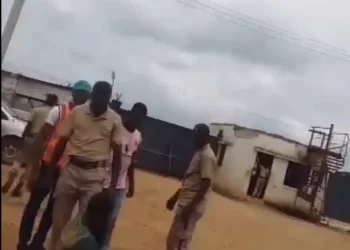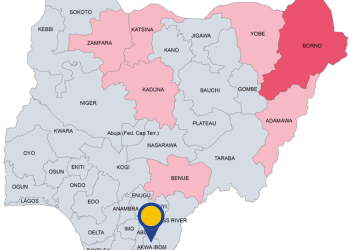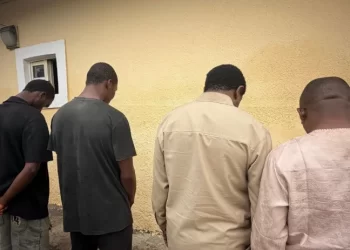
In a significant law enforcement operation, the Nigeria Police on Sunday, April 20th, 2025, raided a clandestine brothel located in the Agbara area of Ogun State.
The raid led to the arrest of eleven women believed to be involved in alleged homosexuality and drug abuse.
The incident has sparked widespread discussions on morality, law enforcement, and societal values in Nigeria.
According to the Area K Police Division Commanding Officer (DCO), Mr. Raji Tajudeen, the police received an anonymous tip-off from an unidentified caller informing them about the secretive brothel.
Acting promptly, the police launched a surprise raid on the premises, which they described as a hideout for criminals and individuals engaged in illicit sexual activities.
During the operation, officers discovered a scene of disorder and immoral conduct.
They arrested eleven women, some of whom were reportedly engaged in sexual acts with their fellow gender, while others were allegedly inhaling and sniffing hard drugs.
The police also reported that two women managed to escape before they could be apprehended.
Mr. Ibrahim Ogunjimi, a resident of Agbara who has lived in the community for over five years, provided an account of what he had observed over time.
He revealed that he often saw women engaging in sexual activities at the brothel, describing it as a place where prostitutes gathered, especially during evenings.
Ogunjimi expressed his concern over the situation, stating that he had ceased visiting the location because of the intimidating faces he always encountered.
He further stated that he was not surprised by the police raid and acknowledged that the premises had long been used as a hideout for homosexuals and criminals.
He recounted witnessing “women kissing and romancing each other without any apparent shame or remorse”, which he said he found disturbing but indicative of the ongoing activities within the brothel.
One of the arrested suspects, identified as Chinenye Okereke, claimed to have lived and worked at the brothel but vehemently denied being a lesbian.
“I am not a lesbian. I attend the Deeper Life Bible Church in Agbara and have nothing to do with lesbianism”, she stated.
Despite her denial, police reports confirmed that some of the women had compromising photos of themselves engaged in same-sex romance.
Another suspect, Omobunmi Iluforiji, shared a heartbreaking story, alleging that her background and personal experiences pushed her toward her current lifestyle.
She accused her stepfather of raping her when she was a minor, which she said contributed to her growing disdain for men.
Ifeoma Onyinye Eze, another suspect, openly admitted to being a lesbian, blaming societal pressures for her orientation.
She claimed she was introduced into lesbianism by a woman named Amaka Obinor and disclosed her relationships with women such as Amarachi Gloria Chukwuebuka, Judith Duru, and Blessing Folajimi.
Dorcas Igbowe, who also was among the arrested, confessed to having practiced lesbianism since high school and revealed she had three partners: Monisola Agoro, Chika Dibris and Busayo Jacobs.
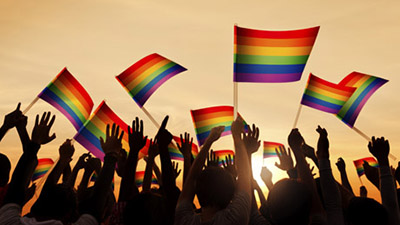
The police reaffirmed their firm stance against Lesbian, Gay,Bbisexual, Transgender and Queer (LGBTQ) activities, emphasizing that such practices are illegal under Nigerian law.
The 2014 law, signed by then-President Goodluck Jonathan, prescribes up to 14 years of imprisonment for homosexual acts.
The law has led to increased persecution, violence, and legal prosecutions of members of the LGBT community across Nigeria.
The Police DCO, Raji Tajudeen, urged residents to remain vigilant and report any suspicious activities.
He warned that law enforcement agencies were intensifying efforts to curb LGBTQ activities and assured that the remaining suspects would soon be apprehended.
The Nigerian LGBT community continues to face threats and violence, often living in fear of legal repercussions and societal discrimination.
Human rights organizations have condemned the anti-gay laws, citing violations of fundamental human rights, but the government maintains that such laws are necessary to uphold traditional moral values.
This recent raid highlights the ongoing struggle between law enforcement and individuals involved in activities deemed illegal under Nigerian law.
While police continue their crackdown, societal debates over morality, human rights, and legal reforms remain heated and unresolved.
The community awaits further developments as authorities promise to intensify their campaign against LGBTQ activities nationwide.