A fresh global health concern is stirring anxiety following the outbreak of hantavirus disease. In early May, a rare cluster of Andes hantavirus infections was identified aboard the cruise ship MV Hondius during a voyage from Argentina toward Cape Verde.
The virus has claimed three lives, with between five and eight confirmed cases. Among the dead were a 69-year-old Dutch woman and her husband.
The outbreak has once again drawn attention to the possibility of rare person-to-person transmission as authorities across several countries search for about 40 passengers who disembarked from the vessel at different points along its route.
The ship, carrying about 150 passengers and crew from 28 countries, departed Ushuaia, Argentina, before heading toward the Canary Islands after anchoring off Cape Verde. On Friday, the BBC reported three cases among the British contingent on board.
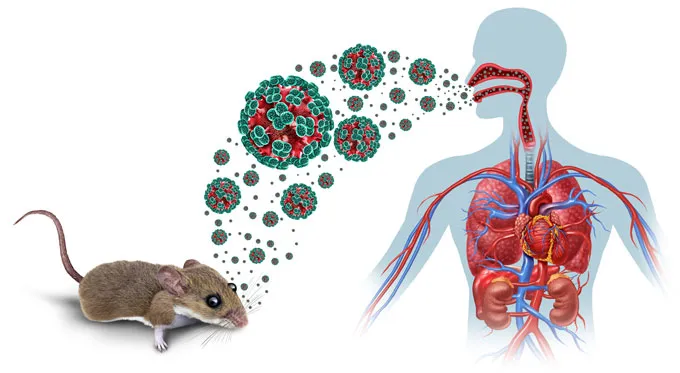
Hantaviruses are a family of rodent-borne viruses that can cause severe, often fatal respiratory or kidney disease in humans. Though relatively rare, some strains carry fatality rates of up to 50 per cent.
The World Health Organisation says hantavirus has not escalated to the level of the COVID-19 pandemic. Current information indicates that transmission occurs primarily from animals to humans, especially through rodents such as rats, mice and voles.
The principal route of infection is through inhaling virus particles from dried rodent urine, saliva or droppings that become airborne.

AI-assisted searches suggest that hantavirus generally does not spread from person to person. However, the Andes virus strain in South America remains a notable exception, with documented cases of rare human-to-human transmission through close and prolonged contact.
Health experts warn that sweeping or vacuuming rodent droppings or nests can release virus particles into the air. The incubation period typically ranges from one to eight weeks after exposure.
Symptoms include fever, fatigue, muscle aches, especially around the thighs, hips and back, as well as headaches, dizziness and gastrointestinal problems such as nausea, vomiting and diarrhoea.
In severe cases, the illness may progress to high fever, abdominal and back pain, facial flushing and vision problems, before deteriorating into low blood pressure, internal bleeding and acute kidney failure.
At present, there is no specific cure, vaccine or antiviral treatment for hantavirus.
Nigeria is no stranger to rodent-borne diseases. Since the 1960s, the country has battled Lassa fever, another deadly viral illness that has caused many deaths, with some cases likely undocumented.
While the Lassa virus belongs to the Arenaviridae family and is endemic to West Africa, hantaviruses belong to the Hantaviridae family and are more commonly associated with Europe, Asia and the Americas, according to the WHO. This year alone, Lassa fever has already claimed 170 lives in Nigeria.
Nigeria’s response to previous health emergencies offers important lessons. According to the United States Centres for Disease Control and Prevention, the country narrowly avoided a catastrophic Ebola outbreak in 2014 by swiftly establishing an Emergency Operations Centre, conducting intensive contact tracing and enforcing strict isolation measures.