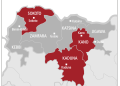
A change of gear in our military strategy and campaign to rout Boko Haram insurgents in the North-East has yielded amazing results in the past six weeks. Adamawa and Yobe states have been freed from their murderous grip, just as the towns of Bama, Gamboru and Malam Fatori in Borno State, hitherto havens of the terrorists, have also fallen. Gwoza, their last bastion, according to the Nigerian Army, was recaptured last Friday.
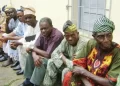
This is cheery news for a beleaguered country, especially for the thousands of Internally Displaced Persons who have been subjected to anguish and a seeming hopelessness since 2012. The Director-General, National Emergency Management Agency, Mohammed Sidi, says there are 981,416 of such people. Amnesty International said, “Boko Haram captured and occupied more than 20 towns” from the affected three states from July 2014, in which thousands were killed.
However, this good fortune for Nigeria came after a series of military blunders, multilateral engagements with leaders of Chad, Niger Republic and Cameroon and an improved supply of arms and ammunition to the soldiers in the battle field.
Between October and November last year, President Goodluck Jonathan visited his Chadian counterpart, Idriss Deby, to firm up his support. In Yaounde, Cameroon, a similar meeting with representatives of these countries, which included Benin Republic, was held in February this year, where they pledged to deploy 8,700 troops as part of a regional military coalition against this Islamic fundamentalists’ mayhem that has spread to Cameroon, Niger Republic and Chad.
It would appear that the military are now in the groove, going by the Chief of Army Staff Kenneth Minimah’s epiphany during the COAS first quarter conference three weeks ago. He said, “Having turned the tide around, I want to say it is forward ever. Never again shall we allow our country to go through this process. Never again, shall the Nigerian Army be humiliated.” Minimah attributed the success to the injection of new equipment, intensified training of officers and soldiers, support from our regional neighbours and sister services – Nigeria police, other security agencies and local vigilante groups. He stressed, “We also took steps to improve on the welfare services of our personnel, particularly those in operational theatre. These measures added impetus to our operational posture and contributed immensely to our current exploits…”
The support of regional partners – Chad, Niger and Cameroon – has been outstanding lately, perhaps due to their appreciation of the fact that Boko Haram is now beyond a Nigerian nightmare. For instance, over 100 Cameroonian soldiers were killed in a February offensive against the insurgents in Nigeria’s North-Eastern border with their country; just as the wife of the Deputy Prime Minister was kidnapped last year.
Similar trans-border incursions into Chad have been carried out by these Islamists. A worried Deby, early in March, advised Abubakar Shekau, leader of the group, to surrender or face death. He said, “We know where he is. If he does not give himself up, he will suffer the same fate as his compatriots. He was in Dikwa two days ago. He managed to get away, but we know where he is. It is in his interest to surrender.” Dikwa is one of the Borno villages Chadian troops liberated. They also played a key role in the recapture of Damasak and, now, Gwoza.
Amid these successes is the question of consolidation, which Chadian military and political authorities raised with The New York Times two weeks ago. The newspaper had reported that Chadian and Nigerien troops fighting insurgency in the North-East reportedly asked their Nigerian counterparts to take firm control of Damasak and other towns and villages they liberated. A Chadian soldier, simply identified as Hassan, was quoted by the newspaper to have said, “We asked them to come, to receive their town from us, but they have not come. It is because they are afraid.” What seemed like an official seal to his claim came from his country’s Foreign Minister, Moussa Mahamat, who said his country’s biggest wish was for the Nigerian Army to be on top of its game –“that is, it takes responsibility in the towns. We are ready to disengage right away.” However, the Director of Defence Information, Chris Olukolade, has vehemently denied this allegation.
In all this, what is paramount is making it difficult for the insurgents to stage a comeback into the areas that have been liberated. With their phantom Islamic caliphate, of which Gwoza serves as the capital, they would not easily give up. Our authorities should appreciate the fact that the IDPs are eager to return home, but they cannot be persuaded until they feel safe and their towns well secured. Only the military can give them that confidence, which they need badly to say bye-bye to the IDP camps. Besides, Nigeria cannot forever spend N146 million as monthly allowances to troops from Chad and Niger helping in the onslaught against Boko Haram.
Critically, the terrorists have not been defeated, but degraded with the recapture of these towns and villages. This means that their resurgence is a possibility. Therefore, the entire multilateral military consensus in the region, the promise by the United Kingdom to train our security personnel, and improving our weaponry should remain priorities.
Above all, the over 219 Chibok girls still in captivity must be found!