State governors have opened discussions on raising the national minimum wage to N100,000.
This signals a fresh effort to cushion the impact of rising inflation and worsening economic pressures on workers across the country.
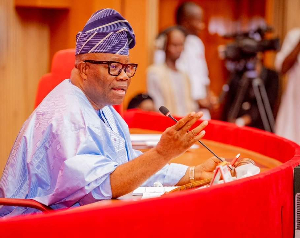
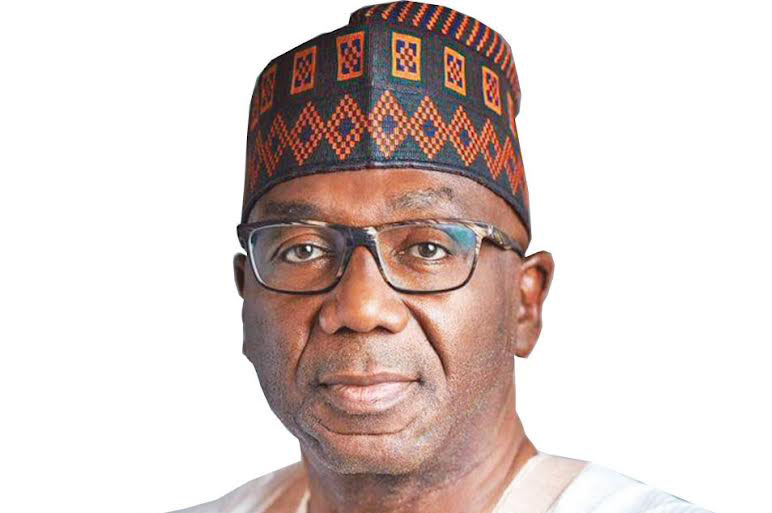
The development was disclosed on Saturday by Chairman of the Nigeria Governors’ Forum (NGF) and Governor of Kwara State, AbdulRahman AbdulRazaq during a Sallah visit to the President Bola Tinubu.
He said consultations were underway among state governments, the Federal Government and organised labour on a possible review of workers’ pay.
The proposal comes less than two years after the current N70,000 minimum wage took effect.
AbdulRazaq said governors acknowledge the growing difficulties facing public sector workers and the need for a wage structure that reflects prevailing economic realities.
“State governments recognise the urgent need to improve workers’ welfare in response to the current economic realities facing Nigerians,” he said.
According to him, negotiations are focused on reaching a consensus that would improve earnings without jeopardising the financial stability of state governments.
“We are actively engaging with the Federal Government and organised labour to arrive at a wage structure that is fair to workers and sustainable for government finances,” the NGF chairman stated.
He explained that the challenge before policymakers is to increase workers’ purchasing power while ensuring that governments retain the capacity to fund infrastructure, social services and other development commitments.
“The goal is to improve the living conditions of workers while ensuring that states can continue to meet their obligations and sustain development projects that directly impact citizens,” AbdulRazaq added.
The disclosure is expected to reignite nationwide conversations around wages, inflation and economic reforms as millions of Nigerians continue to grapple with escalating food prices, transportation costs and utility expenses.
For many workers, the current wage structure has become increasingly difficult to reconcile with everyday expenses.
This has prompted persistent calls for a comprehensive salary review.
Labour unions have repeatedly argued that wages should reflect the realities of the economy and provide workers with a decent standard of living rather than merely serving as a survival mechanism.
While no final agreement has been reached, the emergence of a N100,000 benchmark marks the clearest indication yet that government officials are considering an upward adjustment in workers’ pay.