Nigeria’s worsening hepatitis burden demands urgent and coordinated action from the government, health authorities and citizens alike.
The latest report by the World Health Organisation, which listed Nigeria among countries accounting for a significant proportion of global hepatitis-related deaths in 2024, is both alarming and unacceptable for a country already struggling with fragile healthcare systems and preventable disease outbreaks.
According to the WHO’s 2026 Global Hepatitis Report, viral hepatitis B and C caused 1.34 million deaths globally in 2024. In addition, over 4,900 new infections occurred daily, totalling about 1.8 million new infections annually.
Disturbingly, Nigeria was listed among the 10 countries accounting for 69 per cent of hepatitis B-related deaths worldwide and also among the countries contributing 58 per cent of hepatitis C-related deaths globally.
The report estimated that 287 million people were living with chronic hepatitis B or C infection in 2024. It further stated that 0.9 million people were newly infected with hepatitis B, with Africa accounting for 68 per cent of cases.
Yet, only 17 per cent of newborns in the region received the hepatitis B birth-dose vaccine, according to the report.
Such statistics expose glaring failures in immunisation coverage and public health awareness across the continent.
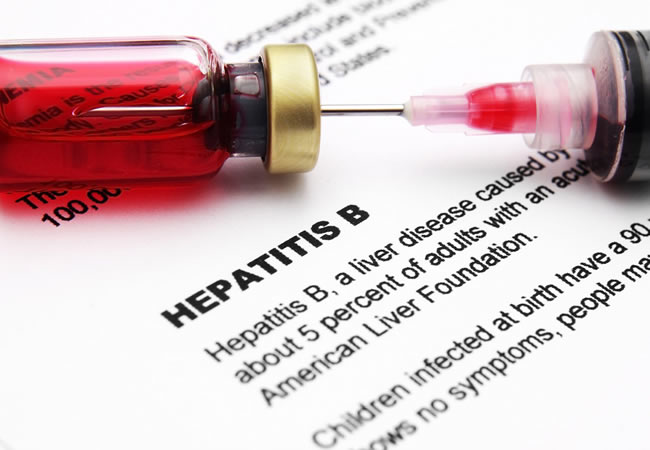
Hepatitis remains one of the deadliest but least discussed public health crises in Nigeria. The disease attacks the liver and, if untreated, can lead to liver cirrhosis, liver failure and liver cancer.
Many Nigerians infected with hepatitis B or C remain unaware of their status because symptoms may not appear until severe liver damage has occurred.
Common symptoms include fatigue, fever, nausea, abdominal pain, dark urine, loss of appetite and jaundice, a condition characterised by yellowing of the eyes and skin.
In many cases, infected persons continue their normal activities while unknowingly transmitting the virus to others.
Hepatitis B and C are primarily spread through contact with infected blood and bodily fluids.
In Nigeria, common modes of transmission include unsafe blood transfusions, sharing of needles and sharp objects, unsterilised barbing and tattoo equipment, unprotected sexual intercourse and transmission from infected mothers to newborns during childbirth. Poor infection-control practices in some healthcare facilities also remain a major risk factor.
This reality should compel authorities to intensify nationwide public enlightenment campaigns.
Many Nigerians still ignorantly share razors, clippers and manicure tools without understanding the dangers involved. Rural communities, where access to testing and vaccination remains poor, are particularly vulnerable.
The WHO noted that less than five per cent of the 240 million people living with chronic hepatitis B globally are receiving treatment.
Although hepatitis C can now be cured with medications that have a success rate above 95 per cent, only about 20 per cent of infected persons have received treatment since 2015. Consequently, 1.1 million people died from hepatitis B and another 240,000 from hepatitis C in 2024 alone.
Unfortunately, Nigeria’s response to this growing crisis has been grossly inadequate. Despite the availability of effective vaccines for hepatitis B, millions of Nigerians remain unvaccinated, while testing centres and treatment facilities are insufficient and expensive.
In many public hospitals, screening is either inaccessible or unaffordable for low-income citizens.
The WHO Director-General, Tedros Ghebreyesus, rightly observed that eliminating hepatitis is achievable with sustained political commitment and reliable domestic financing.
Countries such as Egypt, Rwanda and the United Kingdom have demonstrated that progress is possible through aggressive investment in prevention, testing and treatment.
Nigeria must learn from these examples. Hepatitis should no longer be treated as a silent epidemic ignored until patients develop terminal liver disease. Without urgent intervention, the country risks recording even higher mortality figures in the coming years.
Preventable diseases should not continue to claim countless Nigerian lives because of weak policies, poor awareness and inadequate healthcare investment.
The tools to defeat hepatitis already exist. What is lacking is the political will, funding and coordinated national response required to save millions from needless suffering and death.
The government must therefore scale up vaccination programmes, especially for newborns, pregnant women and healthcare workers. The hepatitis B birth-dose vaccine should become mandatory and universally accessible in all primary healthcare centres across the country.
Public awareness campaigns should be integrated into schools, markets, religious centres and media platforms.
Furthermore, Nigeria must strengthen blood screening systems, regulate informal healthcare practices and ensure strict compliance with sterilisation standards in hospitals, salons and barbing centres.
Free or highly subsidised hepatitis screening should be expanded to encourage early detection and treatment.