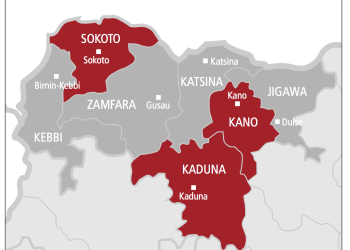
Just as they did at Christmas, many politicians in the country have been busy donating foodstuff and other items to citizens in this year’s Ramadan. At one of such public donations in Sokoto State recently, a chieftain of the Peoples Democratic Party (PDP) described the packages as a way of making the donors’ aspirations known to the state. He also stated that the donation of rice and clothing materials at the event showed how committed the party stalwarts were to the needs of the Sokoto people.
Coming after the Ekiti election and the “stomach infrastructure” claims made against the electorate in that election, it is pertinent to situate this seasonal donation from politicians to the people in proper perspective. Stripped of the constructive ambiguities the donors coat their donations, they are nothing but inducement to make the recipients sway the way the donors want them during elections. In plain language, the donation is a bribe.
Most religions encourage charity in one form or the other and expect their adherents to help the needy all the time and not at some special seasons. It appears, however, that the country’s political elites have turned charitable giving into a seasonal weapon of mass coercion to rail-road people into doing their biddings, especially as elections loom. One condition necessary for this pathetic patronage system to continue is to have a mass body of needy citizens who are dirt poor and always looking up to the elite for their sustenance. It seems the politicians know this and insidiously promote poverty in the land by means of maladministration.
If this assertion is valid — and we believe it is – then, it is a situation that should engender grave concern for all right-thinking individuals. To deliberately misrule a state or country in order to impoverish the people so that they would depend on their rulers, as the evidence points to across the country today, is despicable. It strips the recipients of their humanity, pushing them deep into the class of domestic animals who owe their existence to their human owners.
We find this development not only disturbing but totally unacceptable. Instead of promoting this subsistence level of dependency, we must all work to create a society where charity would not be an existential imperative as it is for millions of Nigerians today. We urge all people of goodwill, especially those in authority, to aim for this idea in today’s Nigeria. We also urge voters to reject, at the 2015 polls, all candidates who have not improved on their lives in a sustainable way all this while and those inclined to tie the people to their apron strings with the ropes of periodic pittance in the guise of so-called empowerment programmes.